
Becoming better: tackling the major challenges facing the Australian wind sector
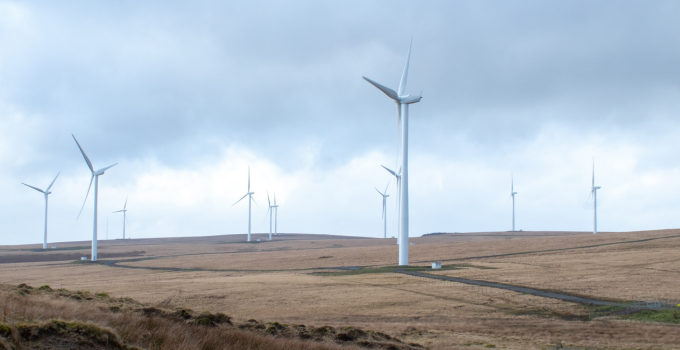
The Wind Operations and Maintenance Australia 2026 conference, held recently in Melbourne, reflected a confident industry. The Australian wind sector has matured. Technology has improved. Knowledge is deeper. Projects are bigger. There is a strong belief that engineering problems are solvable. Yet confidence, while important, is not the same as resilience.
In his 2023 song Never Been Better, Australian singer/songwriter Ben Abraham explores the uneasy space between resilience and denial – the quiet insistence that everything is fine, even as complexity and vulnerability simmer beneath the surface. The Australian wind sector often sounds like it has never been better. And in many respects, that confidence is justified.
But beneath it lies a more nuanced truth. Operational risk is rising in complexity, contractual frameworks are under strain, and the economics of wind are not improving as visibly as they need to. The question for owners is not whether the industry is ‘better’ – but whether it is stronger.
Active ownership: the end of passive wind
One of the clearest themes at the conference was this: owners must actively manage their wind assets.
The era of ‘set and forget’ – handing long-term O&M to OEMs and stepping back – is over. Modern wind farms are too complex, too data-rich and too commercially exposed.
Active ownership means:
- demanding structured access to operational data
- ensuring documentation is complete, portable and contractually enforceable
- retaining strategic decision-making capability.
Data and documentation are not administrative details; they are strategic assets. If an owner needs to change O&M providers, incomplete data can become an existential risk.
Contracts must explicitly define data ownership, format and accessibility, handover requirements, and ongoing documentation standards.
Insurers, too, are increasingly data-hungry. Risk pricing now depends on transparency – condition monitoring trends, blade histories, lightning strike records, gearbox temperatures. Owners who control and understand their data are likely to access more tailored and potentially cheaper coverage.
In the song, there’s tension between image and reality. In wind O&M, the equivalent tension is between contracted performance and actual asset health. Owners must look beneath the surface.
Contracts: precision without paralysis
There was extensive discussion about getting contracts right – particularly at the handovers from development to construction to operations.
Key themes included:
- clear, rigorous defect definitions
- step-in rights for owners (e.g. procuring a gearbox faster than the O&M provider)
- termination rights
- careful allocation of scope to whoever is best placed to deliver it.
OEMs are increasingly focusing their scope on maintaining wind turbine generators, which is where their expertise lies. That is sensible. Contracts should allocate responsibility to the party best positioned to manage the risk.
But this raises a deeper tension:
Can contracts be both rigorous and concise, perhaps as the lyrics of the song posit – ‘two different things can both be true at the same time’?
Legalese frustrates engineers and operators. Yet ambiguity in defect language or scope boundaries can create expensive disputes. The answer may not be shorter contracts, but clearer ones.
If the industry has matured, then our contractual frameworks should mature too.
Fleet size and the limits of self-perform
Only owners with very large fleets can realistically internalise full O&M capability. In the United States, this is achievable. The economics are harder in Australia, where fleets are smaller and geographically dispersed.
It’s expensive to build internal processes, inventory systems, technical depth, safety frameworks and 24/7 operational support. Most Australian owners will remain reliant on third parties.
That makes governance capability even more critical. Owners must be intelligent buyers of O&M – not merely customers.
Blades: the growing anxiety
If there is a component that generates consistent concern nowadays, it is blades. To name just a few of the worries, think about lightning damage, manufacturing defects, blade root bearing issues, and structural integrity as turbines scale in size.
Blade monitoring technology has advanced rapidly. Aerial drones for external inspection are now standard. Internal blade inspections are becoming mainstream. Condition monitoring systems (CMS), once debated, now appear broadly accepted for new turbines.
Leading-edge erosion remains an issue, but discussion has matured: the structural implications may be more significant than the production losses, which are often less severe than feared.
As turbines grow, so do consequences. Bigger rotors mean higher loads, more complex failure modes and more expensive interventions. The industry sounds confident … but confidence must be backed by data and structural understanding.
Harking back to the song’s refrain “And the more I learn, the less I know”, the wind industry faces a similar paradox with turbine blades.
As blade lengths have grown, the theoretical sophistication of design, modelling and materials science has increased. Yet the practical ability to apply rigorous quality assurance has, in some respects, diminished. The sheer physical scale of modern blades makes full inspection more complex and less forgiving. Manufacturing tolerances become harder to control. Logistics, handling and curing processes carry greater consequences.
Layered on top of this are compressed production schedules driven by global demand and competitive pressure. When volume and velocity increase, quality assurance systems are strained – not necessarily by intent, but by physics and time.
In other words, as we have learned more about blades, we have also discovered how much harder they are to build flawlessly at scale.
Underground cables: the invisible risk
Repeatedly, practitioners stressed the importance of quality oversight during construction, especially at underground cable joints.
These are invisible assets. When they fail, remediation is slow and costly. The lesson is simple: invest in the right people on the ground during construction. Operational excellence begins years before commercial operation date.
This ties back to contracts and handover. Development teams must think like operators. Construction quality must anticipate 25-year asset lives.
Noise and compliance: a moving target
Noise remains both contentious and technically challenging. It’s hard to isolate turbine noise from background noise. Another noise complexity is understanding the interactions between wind farms and BESS installations.
These are not static risks. Regulatory expectations – like 5-year compliance measurements – continue to evolve.
Again, the industry says it has matured. But maturity means anticipating future scrutiny – not reacting to it.
The small things matter
One practical observation was that wind farms need more toilets for operators working remotely from O&M buildings.
That might seem like a small thing, but operational design must reflect human realities. As fleets expand and layouts become more dispersed, infrastructure for field technicians must keep pace. Productivity and safety are not abstract concepts – they depend on practical, on-site conditions.
Sometimes maturity can be measured in amenities.
Knowledge sharing … or the illusion of it?
There was optimism that engineering problems are able to be solved and that knowledge sharing is strong. But is it?
The same issues – blade defects, cable failures, contract disputes – continue to circulate. Commercial sensitivities and reputational concerns still inhibit transparent lessons learned.
If the industry is truly ‘better’, it should be demonstrably learning faster.
The missing conversation: LCOE
Reducing levelised cost of energy (LCOE) was an implicit but not always explicit theme of the conference. As befitting an operations and maintenance conference, much of the focus was on reducing long-term costs, even at the expense of high initial costs.
Australia is on an unstoppable path toward renewable energy, yet relatively few wind farms have progressed recently. Connection challenges, financing conditions, cost inflation and supply chain constraints all contribute.
But operational excellence is also an LCOE lever:
- reducing unplanned blade repairs
- improving defect management
- ensuring robust cable installation
- designing contracts that minimise disputes
- leveraging data to optimise maintenance.
These are not just risk controls. They are cost controls.
If the industry wants to move beyond confidence into competitiveness, LCOE discipline must return to the centre of the conversation.
‘Never been better’ or ‘becoming better’?
The refrain from Ben Abraham’s song is not triumphalist; it is layered. It carries strength, but also fragility.
The Australian wind industry is more experienced, more technically capable and more sophisticated than it was a decade ago. That is undeniable. But maturity is not the same as invulnerability.
Active ownership. Data control. Contract clarity. Blade vigilance. Construction quality. Real knowledge sharing. Human-centred operational design. LCOE focus. These are the fundamentals our industry must keep tackling, if 5 years from now it is really going to be ‘better than ever’.
Continue the Conversation
If you’re interested in hearing more about the evolution of the Australian wind sector and the lessons learned from over two decades in the field, you can listen to the insights Andrew shares on the Entura Behind the Scenes podcast. In this episode, Andrew shares his journey from aircraft aerodynamics to pioneering some of Australia’s earliest renewable projects.
You can also explore more of Andrew’s insights through some of his previous articles:
- Unlocking repowering for Australia’s older wind farms
- Breathing new life into Australia’s aging wind farms
- How an Owner’s Engineer smoothes the progress of a renewable project
- Asset management trends for profitable wind farms
ABOUT THE AUTHOR
Dr Andrew Wright is Entura’s Senior Principal, Renewables and Energy Storage. He has more than 20 years of experience in the renewable energy sector spanning resource assessment, site identification, equipment selection (wind and solar), development of technical documentation and contractual agreements, operational assessments and Owner’s/Lender’s Engineer services. Andrew has worked closely with Entura’s key clients and wind farm operators on operational projects, including analysing wind turbine performance data to identify reasons for wind farm underperformance and for estimates of long-term energy output. He has an in-depth understanding of the energy industry in Australia, while his international consulting experience includes New Zealand, China, India, Bhutan, Sri Lanka, the Philippines manian Division), and has published more than 30 technical papers on dam engineering.
What do dams and bathtubs have in common?
The obvious answer is that both hold water, but there’s something more, which keynote speaker Andrew Watson of BC Hydro referred to at the recent NZSOLD/ANCOLD conference. He described the risk profile of a dam over time as ‘the bathtub curve’.
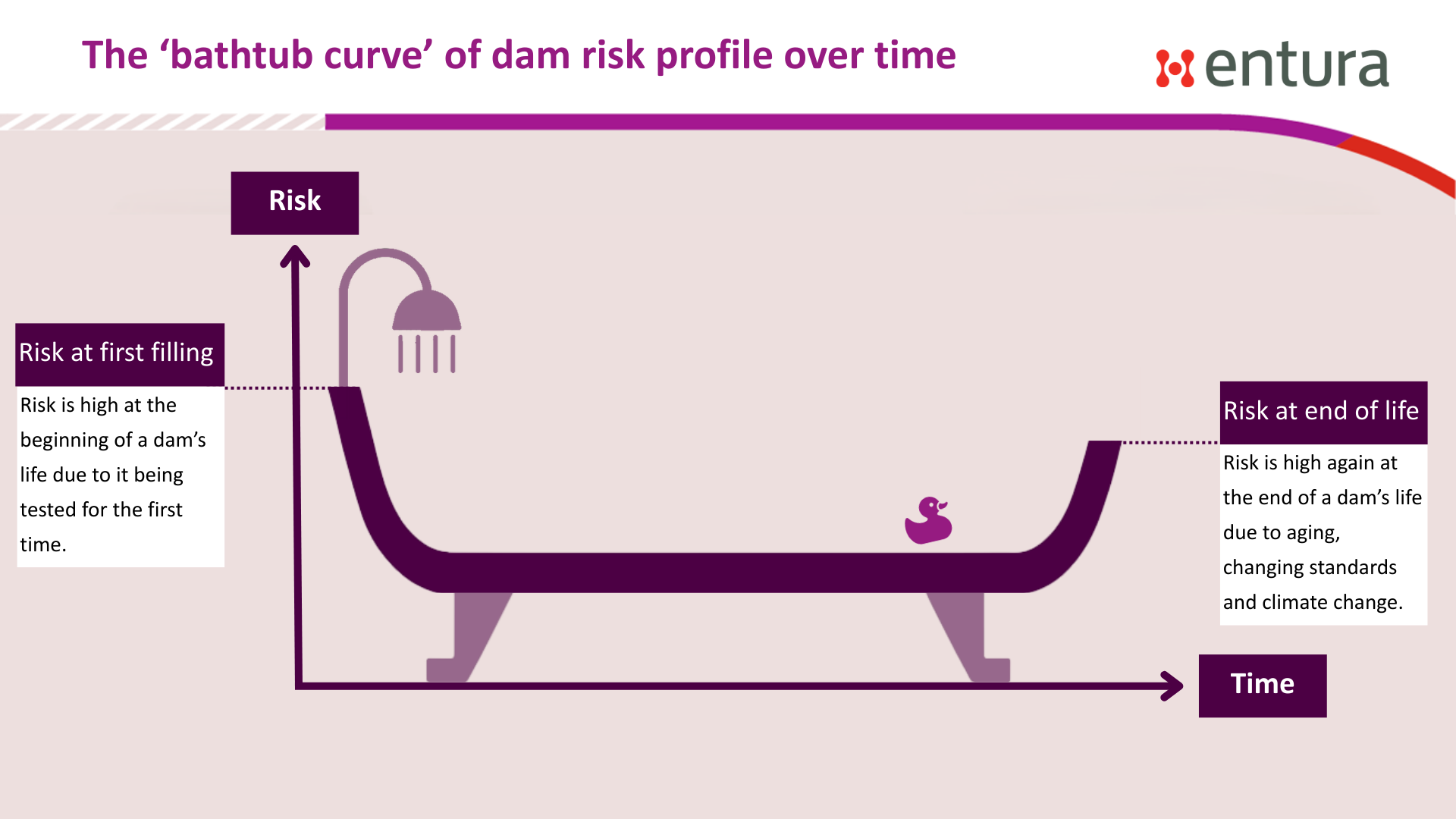
The riskiest periods for a dam are during the early years of operation and in later years as the dam starts to age.
We talk a lot about managing the risks of older dams through an appropriate dam safety program. A dam portfolio risk assessment is a great way of ensuring effort is focused appropriately. If the risk profile of an aging dam reaches an unacceptable level, this can result in a dam upgrade project. Clearly, there are many well-established processes and tools to manage risks on the aging dam side of the bathtub curve, but how about for new dams?
Reducing risk during design
During the design phase of a dam, we investigate the foundations, develop geological models to represent the foundation and assign geotechnical properties to the elements in our model. We also investigate materials that will be used in the dam, undertake laboratory testing to achieve material properties, and may even undertake insitu trials. We then model the dam structure to determine how it performs for various load cases, including extreme flood and earthquake loading, ensuring it meets the required engineering standards. Although the design process has checks and balances, some uncertainties and risks may have escaped identification at this stage.
Reducing risk during construction
The next phase is constructing the dam in accordance with the design specifications. A quality control assurance program sets quality control measures to give confidence that the construction meets the design requirements. Although the quality assurance and quality control systems are in place, there is still a level of uncertainty, making it difficult to guarantee that all the materials placed meet the required specification. Additionally, the foundation and material conditions may not totally reflect the design characterisation, necessitating modifications during construction. Typically, the designer is engaged in these changes, but was sufficient supervisory expertise on site to recognise these differences and engage the designer?
Reducing risk during first filling
For a dam design engineer, the filling of a new dam is often an exciting time. It is the completion of a major project, but it is also known to be the highest risk stage of a dam’s life. Everything that has gone into the design and construction of the dam is going to be tested for the first time: the design assumptions and models, the actual material properties, the engineering calculations, the quality of construction, the quality assurance systems, etc.
How can risk be mitigated during this first filling and the early years of operation, when the dam is being tested? From our experience, these practical steps can help reduce the risk (click each step for more details):
1) Ensure good technical governance through design and construction
2) Set up quality assurance and quality control systems
3) Continue a design presence on site
4) Use a risk framework to determine a dam’s readiness to impound
5) Have a dam safety system in place before impoundment
6) Maintain a heightened level of monitoring and surveillance
7) Be prepared in case of an unlikely dam safety emergency
8) Keep a close eye on the dam in its first years of operation and during new peaks
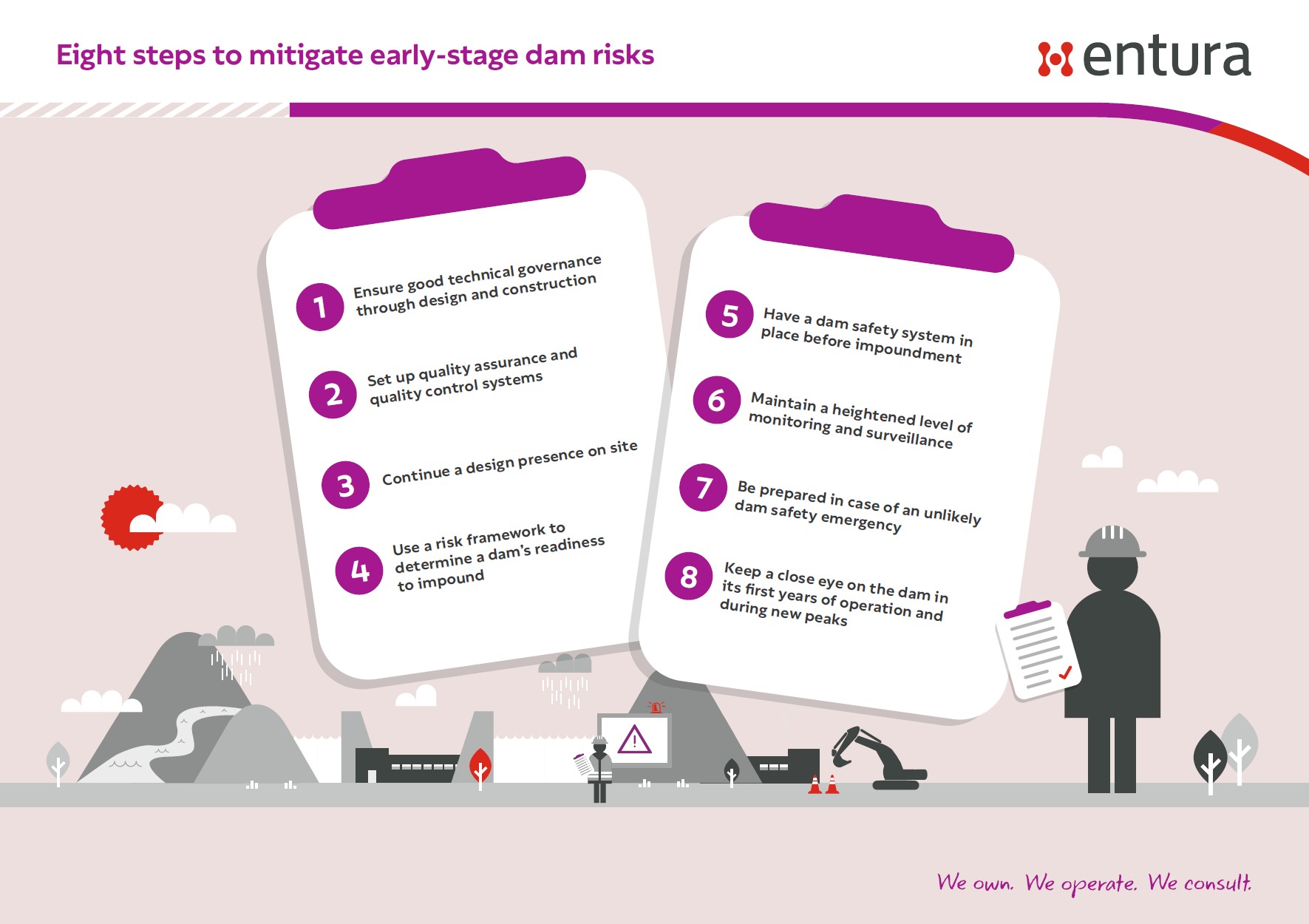
This process for new dams should apply equally to main dams and smaller saddle dams. In larger reservoirs, water may not fill against a saddle dam for a year or two after the commencement of impoundment. In this case, the same principles should be applied to the saddle dam during the period when water is against it for the first time. These principles also apply when a dam is raised, because when water load is placed against the raised section, the raised dam is being tested for the first time.
By applying these steps through the heightened risk period during first filling and the first 5 years of operation, dam professionals can mitigate the risks associated with the early side of the bathtub curve, helping the dam get a good start in life.
ABOUT THE AUTHOR
Richard Herweynen is Entura’s Technical Director, Water. He has more than 3 decades of experience in dam and hydropower engineering, working throughout the Indo-Pacific region on both dam and hydropower projects. His experience covers all aspects including investigations, feasibility studies, detailed design, construction liaison, operation and maintenance, and risk assessment for both new and existing projects. Richard has been part of a number of expert review panels for major water projects. He participated in the ANCOLD working group for concrete gravity dams and was the Chairman of the ICOLD technical committee on engineering activities in the planning process for water resources projects. Richard has won many engineering excellence and innovation awards (including Engineers Australia’s Professional Engineer of the Year 2012 – Tasmanian Division), and has published more than 30 technical papers on dam engineering.
Poutès Dam – a model of sustainable dam redevelopment
Having been named as the Planning Institute of Australia’s Young Planner of the Year for 2023 and awarded a bursary, Entura’s Bunfu Yu travelled through Switzerland and France to study hydropower and energy innovation. Her tour to Poutès Dam in France made a powerful impression. Here she reflects on what Poutès Dam demonstrates about environmentally driven engineering design and how genuine engagement with stakeholders in a design process can lead to balanced outcomes …
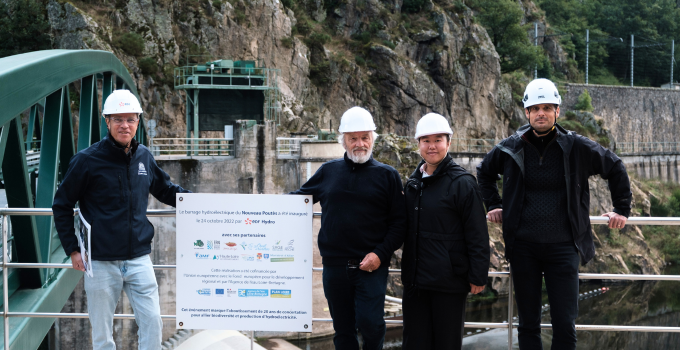
The Poutès Dam, located on the upper Allier River, a tributary of the Loire River in central France, has become a landmark case study of how to reconcile renewable energy production with environmental restoration. It’s a project that benefitted from genuine engagement, environmental-led engineering design principles, and future-conscious leadership by its operator, Electricité de France (EDF).
The dam was built during World War II without the usual approval processes. It has long been an obstacle to migratory fish, such as Atlantic salmon from the Allier basin, blocking the return of spawners and the downstream migration of juveniles. It has also disrupted the natural sediment flow of the Allier.
From conflict to collaboration
In the 1980s, environmental organisations highlighted the impact of the dam as a cause of the drastic decline in the wild Atlantic salmon population in the Loire-Allier basin. A sustained mobilisation of environmental groups through the 1990s evolved into a lengthy anti-dam campaign. In the mid-2000s, when EDF applied to renew its operating concession, it attracted criticism and rejection from global environmental NGOs, including WWF.
After decades of debate involving local communities, environmental NGOs, the dam operator (EDF Hydro) and public authorities, a compromise was reached in the late 2000s by which the parties agreed on a commitment to sustainable hydropower. Rather than completely remove the dam, a large-scale reconfiguration project – dubbed the ‘New Poutès’ – was born.
In 2015, EDF achieved a 50-year renewal of its licence, conditional on stringent environmental performance requirements, particularly regarding fish migration and sediment transport. It marked a new life for the project: those who once stood on the site of the dam in protest were now collaboratively discussing the future of Poutès with the operator and public authorities.
The ‘New Poutès’ project
A substantial refurbishment of the dam was carried out over several years to 2021, with the renovated dam inaugurated in October 2022. The design carefully configured to improve salmon migration and achieve the desired environmental outcomes.
- The dam height was lowered from 18 m to 7 m to reduce the water head and the reservoir’s impact. The embankment is also shaped in such a way that, along with the reduced hydraulic drop, the fish have a shorter and smoother vertical barrier to overcome.
- The reservoir length was decreased from 3.5 km to under 500 m, restoring much of the river’s natural profile (including a natural river gradient that allows salmon to swim) and rebuilding downstream spawning habitat.
- Two large centrally located sluice gates were installed, which can be fully opened during fish migration seasons and for high-flow water releases, allowing sediments and aquatic fauna to circulate freely. This is considered the key innovation to rejuvenate the river’s ecological dynamics.
- Fish-pass structures (fishway and fish elevator) have been incorporated in the design, which operate every 2 minutes to ensure upstream and downstream migration is effective.
- While the turbine flow remains similar to before, generation is paused during key periods to prioritise fauna movement.
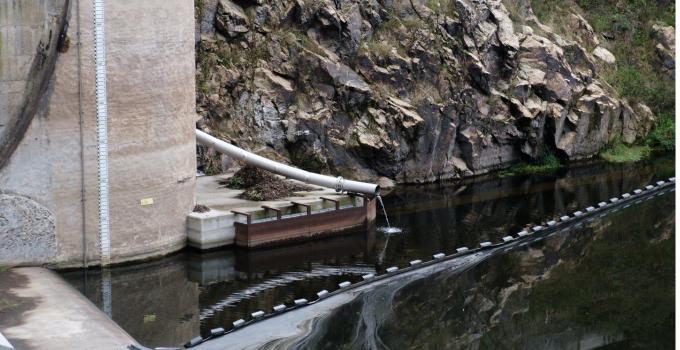
The fish ladder in action
Ecological and social benefits match technical success
The New Poutès redevelopment did more than update an old hydropower plant; it reconnected a fractured ecosystem, restoring sediment flow and providing effective fish migration routes. The New Poutès continues to supply about 85% of its original hydroelectric output.
Importantly, this project demonstrates the potential of ‘collective intelligence’; that is, collaboration among diverse stakeholders (government, operator, NGOs, local communities) to produce outcomes that are superior to those achieved through conflict or unilateral decisions.
Moreover, it challenges the notion that dams are immutable – a rigid infrastructure at odds with the environment. Instead, New Poutès embodies a modern, adaptive approach: engineering solutions that evolve over time, responding to environmental and social imperatives.
Lessons from Poutès
As many dam owners and operators consider the future of their aging dams and the need for sustainable management, New Poutès stands out as a model. It shows that:
- with thoughtful design and management, hydropower and biodiversity can coexist
- partial removal and targeted retrofitting of a dam can sometimes be a cost-effective and ecologically positive alternative to full demolition
- restored rivers can recover ecological functions like fish migration, sediment transport and dynamic flow regimes, contributing to broader goals of ecological resilience
- multi-stakeholder participatory processes combining NGOs, operators, authorities and communities can help reconcile competing interests and produce durable solutions.
For me, as a planning specialist, this last point resonated particularly powerfully. It’s exciting to see a project that has learned from the lessons of the past, engaged openly and genuinely with its community, and navigated a path toward greater long-term sustainability.
When environmental, social and heritage values are considered from the outset and integrated into dam design, upgrades and refurbishments, the outcomes are better for everyone. In the Poutès story, it took the loss of the operating licence to make a major leap. Proactive efforts to bring a better balance to the ledger of impacts verse benefits may help avoid such dramatic circumstances.
Having finished my study trip and returned to Tasmania, I’m excited to continue my involvement in Entura’s projects involving dam refurbishment, redevelopment and upgrades – including the new lease on life being planned for Hydro Tasmania’s Tarraleah hydropower station. This project is sure to find itself amongst global examples of leading practice, setting the standard for other owners of older hydropower assets.
Bunfu thanks EDF team members Benoit Houdant (Technical Director Engineering) and Sylvain Lecuna (project manager of the Poutes Dam project), and Roberto Epple (former President of the European Rivers Network) for the site tour. It was incredible to share a site tour with representatives of 2 parties that were once in opposition, but now share in the pride of Poutès.

Poutès Dam and surrounding topography
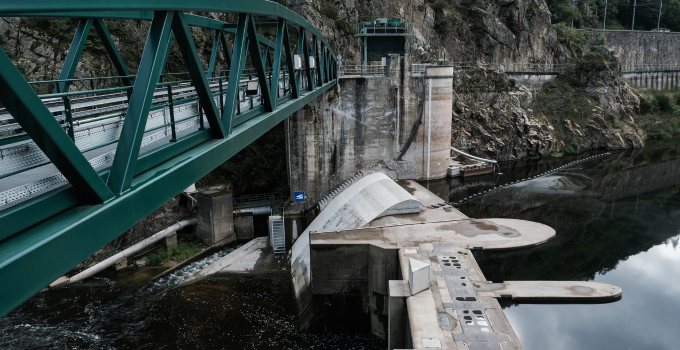
Close-up of Poutès Dam
ABOUT THE AUTHOR
Bunfu Yu is a dynamic young leader in renewable energy planning, approvals and business development. Bunfu was named the National Young Planner of the Year by the Planning Institute of Australia. This honour recognised not only her passion for planning and delivering renewable infrastructure but also her active contribution to the profession through mentoring, public engagement and knowledge sharing. She is currently a Senior Environmental Planner and a Business Development Manager at Entura.
How the BESS general arrangement drives safety, certainty, speed and value
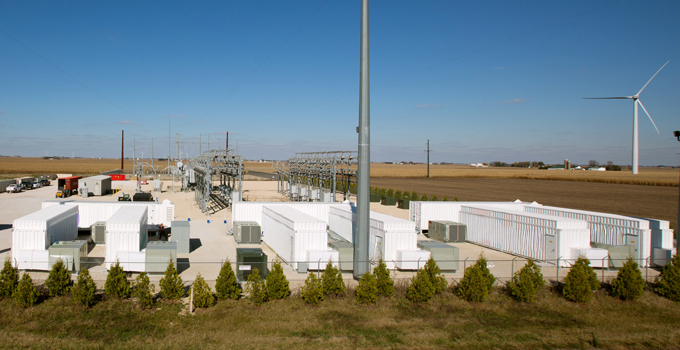
Despite the deceptively simple appearance of plug-and-play modularity, there’s a lot of crucial detail involved in achieving an efficient, safe and resilient BESS layout.
The layout or ‘general arrangement’ design will cover the BESS equipment (DC battery units/enclosures, PCS/inverters, medium-voltage transformers, switchgear, control and communications systems), the balance of plant (fire water tanks, buildings, laydowns, cable trenches, noise barriers, etc.) and the BESS substation.
Experience across the global BESS market shows that the devil is in the detail. In the push to accelerate renewable integration, there’s a danger that design decisions could be rushed, with too many details inadequately thought through or resolved. With a well-considered layout, a project is likely to move more quickly through approvals, construction and commissioning. A poorly designed project arrangement can embed inefficiencies, risks, delays and constraints that may be difficult to remedy.
Many developers have discovered that the layout of a BESS is a lever for risk, cost, speed and safety – with major implications for permitting, fire risk, insurability, environmental performance, lifecycle operating costs, augmentation and decommissioning complexity and, increasingly, community acceptance.
The BESS GA supports every phase of development
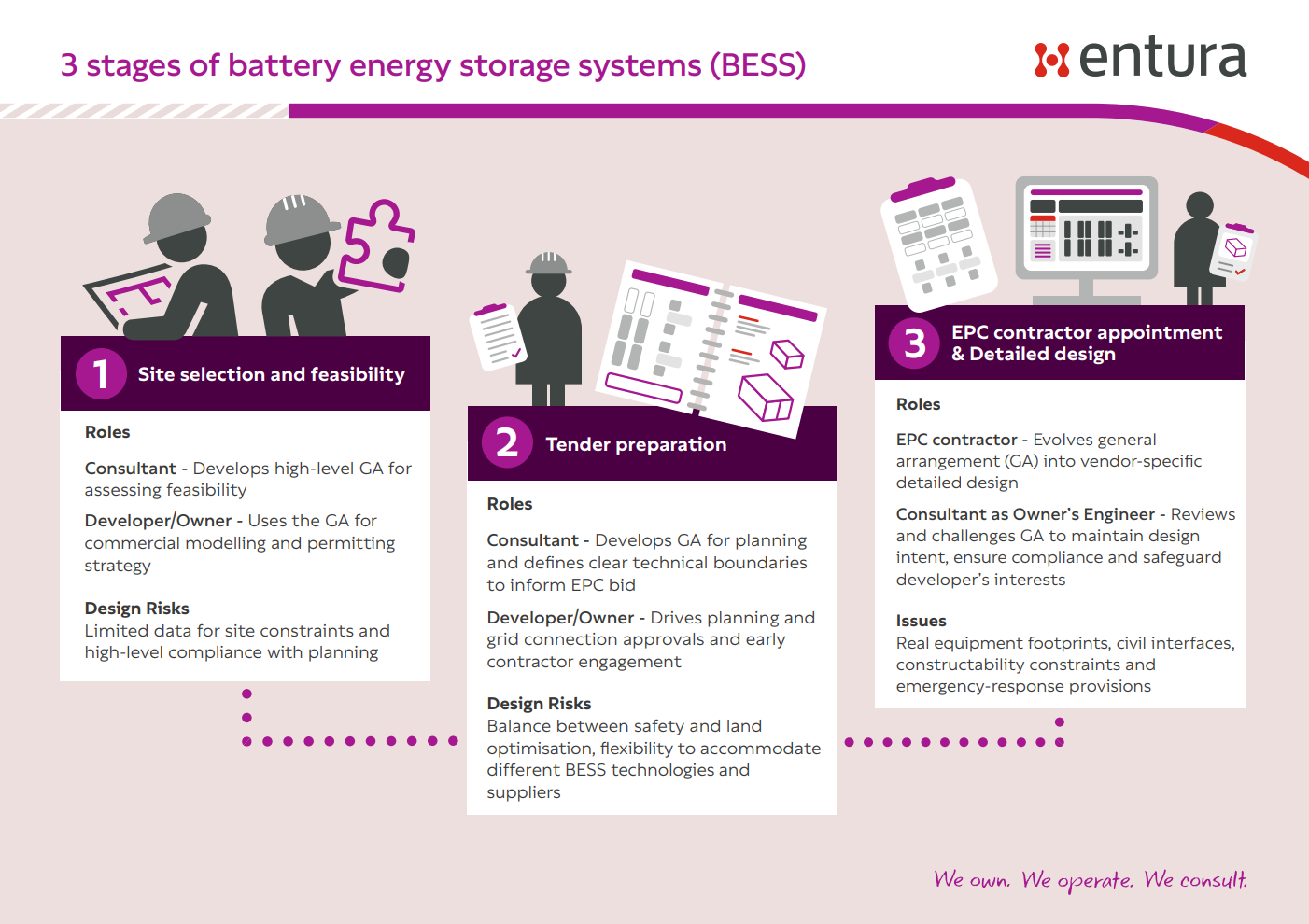
The responsibility for developing the BESS general arrangement (GA) shifts across the life of a project, and each iteration responds to the client’s evolving drivers, constraints and uncertainties. Early in development, the GA is typically prepared by the developer – or a consultant working under tight budgets – to support site selection, feasibility assessments and initial commercial decisions, often when project viability is not yet assured. As the project progresses into tender preparation, consultants refine the GA to define clear technical boundaries, ensuring EPC bids are accurate, comparable and compliant with planning requirements, fire safety and electrical standards.
Once an EPC contractor is appointed, the GA evolves into a vendor-specific detailed design, incorporating real equipment footprints, civil interfaces, constructability constraints and emergency-response provisions. The consultant – now acting as Owner’s Engineer – continues to review and challenge the GA to maintain design intent, ensure compliance and safeguard the developer’s interests throughout delivery.
Across all phases, a capable consultant adds value by anticipating the requirements of the utility and regulators, maintaining continuity through uncertainty, and designing with an appreciation of the developer’s realities – limited budgets, required studies, iterative decision cycles, and the constant question of whether the project will ultimately proceed – to ensure the final layout is safe, compliant and truly buildable.
Here we explore why GA decisions matter so much, and the key considerations shaping best-practice BESS arrangement today.
Navigating easements in BESS design
A workable GA begins with an accurate appreciation of the site’s constraints. Easements and land-use limits are not peripheral issues: they define the true buildable envelope and shape the BESS solution. Treat easements as primary design parameters rather than later checks.
Early identification and mapping of utility and service easements, gas pipelines, and other buried assets helps avoid design rework and ensures that access obligations and no-build zones are incorporated into the layout from day one, thereby reducing the risk of project delays. Hydrology deserves equal weight. Natural drainage paths and any stormwater easements identified through hydrological studies can restrict equipment placement, influence grading, and affect the location of roads and trenches. Flood mapping, too, should inform early decisions about elevating sensitive equipment or siting infrastructure on less exposed ground.
In many Australian settings, bushfire clearance requirements can dictate a reduced density and more generous separation between battery enclosures and vegetation. Where environmental or conservation easements exist, they may remove sizeable portions of land from consideration and require careful alignment with approval strategies.
Gather all easement, hydrology, flood and environmental information as early as possible, integrate it into spatial modelling, and shape the first iteration of the GA around these constraints. This will avoid the pitfall of attempting to impose an idealised arrangement on land that can’t support it and will create a stronger pathway to feasibility.
Addressing fire risk and emergency response
Given the nature of modern lithium battery technologies, fire risk must be front of mind. The spatial relationships between containers and the provision of firebreaks and passive barriers influence not only the likelihood of thermal events, but also whether a fire will spread beyond a single enclosure. Industry standards and guidelines as well as local fire codes provide structured approaches for managing separation distances, ventilation and fire-mitigation measures. The frameworks are increasingly referenced by regulators and insurers to verify that system layouts limit multi-unit fire spread.
Fire authorities in Australia now often expect evidence of large-scale fire testing which goes one step further by assuming the entire container is alight and evaluating whether the layout could allow fire to spread to adjacent units. Importantly, compliance is not limited to holding a certificate: the installed system must be constructed and configured in the same manner as the tested system, typically in accordance with the OEM’s certified design, internal spacing, materials and fire-mitigation features. Any deviation may invalidate the test assumptions and compromise fire-propagation performance.
Importantly, BESS technologies and safety standards continue to mature, with new insights regularly emerging from operational experience, incident investigations and evolving test methodologies. As a result, GAs must be developed with adaptability in mind, recognising that future updates to best practice or regulatory expectations may influence separation requirements, access provisions or fire-mitigation design.
Asset protection zones (APZs) are defined through a bushfire study. Requirements can vary even across a single site, reflecting changes in vegetation density or type, but recent projects have needed at least 10 m of separation on all sides.
The GA should support effective emergency response by providing clear access routes, equipment isolation points and adequate separation for firefighting operations – ensuring that the layout not only minimises the likelihood of fire spread but also enables authorities to intervene safely and efficiently. It’s crucial that the firefighting response is supported by engineered containment so that runoff remains within controlled zones. Grading, bunding and drainage design are therefore integral components of the overall GA, rather than secondary civil features.
Hybrid sites demand particular care, as the original renewable facility may not have been designed with BESS-specific hazards in mind. Shared roads, substations, cable routes and drainage systems must be adapted so that the BESS retains its own safety envelope.
Designing for construction, operation, maintenance and evolution
Construction is a real test for the GA. If adequate allowance isn’t made in the GA for heavy vehicle movements, crane access, delivery sequencing and temporary staging, projects are likely to run into significant costs and delays.
The size of the construction compound, laydown area and temporary storage will depend on the project scale, the number of trucks and size of workforce engaged, and the delivery and installation schedule. Critically, the expected size and reach of cranes, as well as the dimensions and handling requirements of major components such as transformers, need to be identified early in development so that access routes, turning circles, lifting zones and hardstand areas can be properly incorporated into the layout from the outset.
While a number of critical considerations should be defined during the concept design phase, it is inevitable that certain elements – such as final medium-voltage cable routing, auxiliary systems, drainage and other balance-of-plant details – will only be resolved as the design matures. To mitigate the risk of future spatial constraints leading to reduced capacity or alterations that could adversely affect the business case or grid-connection obligations, the initial GA should be intentionally developed with flexibility to accommodate later design requirements without compromising the ultimate capability of the facility.
Over the operational life of the BESS, the GA will continue to influence efficiency and cost. Reliable access for technicians, sufficient working clearances around major equipment and logical circulation routes are fundamental to safe and effective maintenance. Designs that overlook these requirements may appear economical on day one but can impose persistent operational inefficiencies over decades.
Energy storage assets built today must remain adaptable to tomorrow’s operating environment. As batteries degrade, room will be needed for augmentation or expansion – through reserved space, scalable electrical infrastructure and clear routing for future cabling. The increase in land area or civil cost is likely to be outweighed by the long-term benefit of being able to let the BESS evolve without major disruption.
No project is an island
BESS projects, like any other major infrastructure developments, will be subject to significant public scrutiny on issues such as fire risk, noise exposure, visual impacts, traffic movements and ecological impacts. Landowners, communities, stakeholders and regulators will want to know what impacts can be expected and how these will be managed. Many of these factors can be moderated to some extent by strategic placement and screening.
A clear and well-engineered GA needs to capture these considerations. It will demonstrate to regulators, stakeholders and the local community that project risks and impacts have been appropriately investigated, understood and managed – which will help build social and environment licence. A thoughtful GA is one of the most effective ways to build confidence in a project.
Make your GA a strategic advantage
As we’ve explored, the BESS GA is not just a technical document. It’s a set of strategic decisions where safety, social and environmental licence, operability, optionality and commercial performance intersect. Civil, electrical, mechanical, control, environmental and safety factors all influence – and are influenced by – the site arrangement, which makes it essential to bring an array of different perspectives and disciplines together early to avoid unforeseen flow-on implications and clashes among disciplines. At Entura, we integrate these streams to fully stress-test our designs and advice from all angles.
Now is the time to treat your BESS’s GA as one of the clearest opportunities to manage risk and materially improve your project outcomes.
To talk with us about your BESS project, contact Patrick Pease (Business Development Manager – Power & Renewables) or Donald Vaughan (Technical Director Power).
ABOUT THE AUTHORS
Senior Renewable Energy and BESS Engineer Dr Rahmat Khezri has vast professional and technical experience with batteries. He has worked in the renewable energy and battery industry in project delivery from design, business case and feasibility analysis to operation and construction. Rahmat has managed several utility-scale BESS projects during his time with Entura, overseeing successful delivery while ensuring compliance with industry standards, optimising performance and managing key stakeholder relationships. Before joining Entura, he worked on projects supported by Sustainability Victoria for technical design and business case development of ‘second-life BESS’ using retired batteries of electric vehicles. In 2023–25, he was recognised by Stanford University as being in the top 2% of scientists worldwide for 3 consecutive years.
Dr Chris Blanksby is a Principal Engineer who uses his expertise in solar and battery technologies to provide strong leadership in delivering a range of services to the industry. Chris is Entura’s lead battery specialist and has been technical lead on several key projects in the Australian battery industry over the past years. Chris leads multidisciplinary teams in feasibility, design and construction supervision for utility-scale solar, battery, and hybrid integration projects. Projects Chris has led include Owner’s Engineer and independent engineer, feasibility studies, construction supervision, tariff reform and power purchase agreements, resource and energy yield analysis, project technical specification and principal’s project requirements, technical due diligence, model and control system development and network integration.
Dam decommissioning: old dams, new opportunities
While many dams have very long lives, and could in theory operate for centuries, some dams reach a point at which decommissioning becomes a realistic final phase of the dam life cycle.
Decommissioning is not something that happens very often, given the significant value of dams and their functions, which are often multiple. Maintaining and upgrading dams, rather than decommissioning, can sometimes also be a more sustainable solution if this extracts more economic, social and environmental value to offset the initial impacts that the dam may have caused when originally constructed.
However, decommissioning may be the best option if the dam is no longer needed to deliver its original purpose, if it is no longer providing commercial or societal benefits, or if it is considered too costly to continue maintaining the dam or to undertake the necessary upgrades to stay compliant with contemporary regulations and standards.
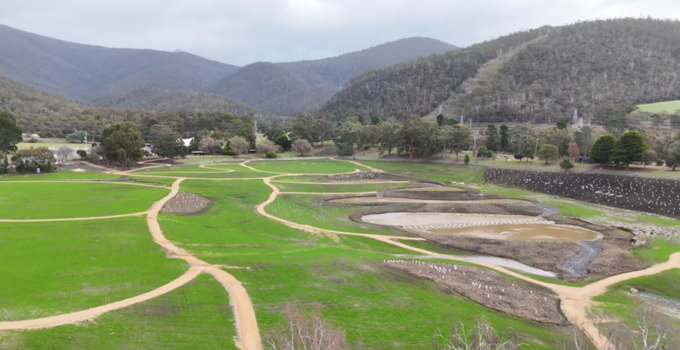
How is a decision to decommission made?
The decision to decommission a dam is usually based on a comprehensive risk assessment. Risk assessments play a critical role in managing dams throughout their life cycle. They primarily focus on ensuring safety and minimising risks associated with dam operation, failure and decommissioning.
Risk assessments estimate risks, identify hazards and failure modes, evaluate the tolerability of the risk, compare potential risk reduction measures if needed, and establish a risk reduction strategy.
If the risk is not tolerable, risk reduction measures will be recommended, and a risk reduction strategy will be established to reduce the risk. The risk reduction measures will generally involve upgrade works. When the option to undertake dam upgrade works is considered, the option to decommission the dam is often also included. The dam owner can then undertake a cost–benefit analysis to determine the most viable option, understand the level of risk reduction achieved, and consider less tangible aspects such as community concerns.
What’s involved in decommissioning a dam?
Decommissioning a dam requires considerable planning to minimise environmental impacts and reduce the chance of leaving any residual hazards in the long term. A thorough assessment of the site conditions and downstream environment is a crucial first step towards identifying the appropriate decommissioning actions.
The location of the dam and the details of the dam works will determine the planning requirements, which often include:
- engineering design – taking breach width and batters into account to remove the possibility of retaining water, and assessing the impact on flooding downstream (as dams frequently provide flood mitigation even when this is not their primary function)
- sediment and erosion control planning – as sediment release can cause significant water quality issues and harm to habitats downstream. It is important to note that the reservoir area will initially be unvegetated and will not have any topsoil that can be used to support vegetation growth to control erosion. Additionally, sediments will typically have been deposited in the dam reservoir and are generally very easily remobilised, so this needs special attention from the designers
- flora, fauna and cultural heritage studies – as decommissioning can dramatically alter ecosystems both upstream and downstream, and heritage features can often be highlighted improving the amenity of the new asset. Ecological studies such as flora and fauna assessments are important to identify any threatened species that need to be considered in the decommissioning plans, such as through exclusion zones or timing the works to minimise impacts (e.g. conducting work outside of breeding seasons)
- fluvial geomorphology assessment – which identifies how rivers interact with their landscapes and how they change over time. It is important to understand this given that the decommissioned dam will have water flowing through it rather than retaining water, changing the balance of erosion and sedimentation processes
- dam safety emergency plan for decommissioning works – to protect communities from flooding during the decommissioning works
- regulatory approvals – a dam decommissioning permit will be needed, which will include managing any specific regulatory requirements such as issuing a notice of intent prior to commencing works and providing work-as-executed reports and drawings at the completion of the works to confirm all conditions have been successfully met.
- Depending on the use and location of the dam, it is recommended to consult with a range of stakeholders, including the local community and council, during the planning process to ensure that their perspectives and concerns are considered early. If the dam is located near to residences, public spaces or other civic amenities, extensive consultation is likely to be needed due to the potential nuisance from the works (e.g. noise, dust and additional traffic in the local area). A masterplan can be developed through this process of consultation, outlining potential options for remediating and repurposing the area based on the community’s priorities, such as creating potential new community assets such as wetlands, parks or sporting facilities.
The work involved in decommissioning a dam will depend on the type of dam and the surrounding environment but commonly involves:
- re-routing inflow away from the reservoir or past the dam
- removing all or part of the dam wall
- modifying or removing the outlet works
- lowering the spillway crest level or removing the spillway control gates or stop-boards
- treating retained liquid prior to discharging it in a safe condition
- stockpiling and stabilising accumulated sediments from within the reservoir
- removing or encapsulating impounded material, such as trees and vegetation
- revegetating the reservoir area and rehabilitating the site to perform its new purpose.
Doing it safely
Decommissioning a dam is a very complex matter involving many stakeholders and often taking some time to reach its conclusion, so it is prudent for dam owners to embark early on some interim measures to rapidly reduce any identified dam safety risks. The simplest and most cost-effective risk reduction measure is usually to lower the level of the reservoir.
The next stage is identifying the planning requirements and works involved with decommissioning and developing a decommissioning plan. The engineering design, included in the decommissioning plan, will consider the necessary environmental assessments and ensure adherence to appropriate guidelines.
Common considerations when developing the engineering design include:
- hydrological and hydraulic assessment of conditions before and after decommissioning
- the necessary breach width and batters to make the site safe
- safely discharging or removing retained water and material
- the volume of any attenuated water remaining after decommissioning
- gradient of the land if the reservoir is being completely drained
- erosion and sediment control during and after decommissioning
- managing inflows and floods during the decommissioning
- careful consideration of the final land use after decommissioning including the ecological restoration and community uses.
Achieving success
For decommissioning to be considered successful, it’s crucial that the decommissioning plan and engineering design take account of the priorities that emerge from stakeholder consultation. Many communities become attached to a dam as part of their local landscape, especially if the dam is very old. They may wish for some of the dam’s heritage to be retained or acknowledged in some way, such as retaining and integrating parts of the abutment into the future form or land use where it is safe to do so, or echoing the past by incorporating smaller water features into the resulting site.
Another major consideration for successful decommissioning is controlling erosion and sediment. Reservoirs typically have a low point that can function as a temporary sediment basin once the water level is substantially lowered. Rainfall and inflows can be channelled with small bunds and hessian silt rolls to the sediment basin. Turbid water can then settle or be treated, if necessary, before being pumped out. After decommissioning, erosion and sediment can be managed by revegetating exposed areas with native plants, creating habitat features such as wetlands or log jams, and managing and monitoring wildlife to ensure their adaptation to the changing environment. Simple solutions can be implemented to achieve positive – or at least neutral – outcomes for biodiversity.
Right process, right people
Decommissioning dams takes a wide range of skills to deliver a successful outcome – from hydrology and hydraulics, environmental and heritage assessments, through to detailed construction planning and a vision for the repurposed land. With the right people and process, decommissioning can reduce safety risks to the community, protect the environment during the works, and ultimately create new, sustainable assets enhancing the amenity of the area for the benefit of communities now and long into the future.
Entura has been involved in a number of dam decommissioning projects including Waratah Dam and Tolosa Dam. To talk with Entura’s specialists about a dam decommissioning project, contact Richard Herweynen or Phillip Ellerton.
ABOUT THE AUTHOR
Joey Scicluna is a civil engineer, who began his career managing commercial and subdivision projects. Since joining Entura’s dams and geotechnical team in 2022, he has undertaken a wide range of dam safety surveillance inspections and reporting, dam safety modelling and analysis and risk assessments. Joey has been the lead author for a number of intermediate and comprehensive dam safety reviews, and has developed design concepts and conducted feasibility studies for existing and new dams projects. Joey enjoys problem solving and working with stakeholders to achieve the best outcome for every project.
Risk is the word – reflections on the NZSOLD/ANCOLD 2025 conference
From 19 to 21 November 2025, industry experts from consultants to asset owners gathered in Ōtautahi Christchurch, New Zealand, to exchange insights, challenge thinking and strengthen connections ‘across the ditch’ and beyond. Here Entura’s Sammy Gibbs reflects on the conference …
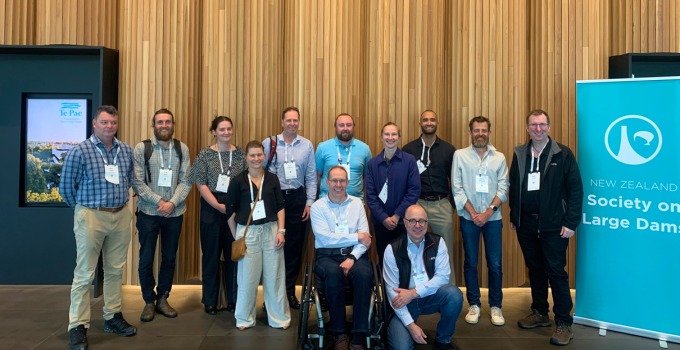
If I had dollar for every time I heard the word ‘risk’ across the two-day event, I might have been able to fund next year’s conference myself!
Why was this the case? As noted in many of the presentations and papers, the dam industry is facing the combined challenges of aging dam infrastructure, changing design standards, climate change impacts, community expectations and resource/cost constraints. As a result, the industry is shifting more towards risk-informed decision-making/frameworks, compared to traditional standards-based approaches,to manage and design dam infrastructure.
No dam is 100% safe and all risks can never be designed out entirely, but a sophisticated understanding of their risk can inform our decisions and actions so that we can target key issues cost-effectively and ensure resilience in our dams and water infrastructure.
Risks in asset ownership
In his opening address, Andrew Watson, Director of Dam Safety & Generation Asset Planning at BC Hydro in Canada, provided valuable insights into how BC Hydro uses a risk-informed framework to manage its dams. He discussed the use of a ‘vulnerability index’ to understand the significance of identified physical deficiencies in the dam portfolio. The higher the index, the greater the likelihood that the deficiency would result in poor performance. This index allows BC Hydro’s dam safety team to understand the overall risk profile and prioritise future works. It left us contemplating how the ANCOLD 2022 Risk Assessment Guidelines and ALARP process may be enhanced by integrating components of this approach. This could be a useful way of measuring how far the dam is from meeting ‘best practice’ and hence enhance the justification for further risk reduction or accepting the position as ALARP.
Later in the conference, Andrew Watson was joined by Peter Mulvihill, Lelio Mejia and Barton Maher to discuss legacy risk and how to manage it. Legacy risk is relevant for many asset owners (nationally and internationally) as our sector faces the complexities of inheriting aging facilities, acquired from past organisations/owners. A key challenge with these legacy structures is the transfer of knowledge to new asset owners. Important records such as monitoring data, design and construction information are often lost (or were never developed), making it difficult to understand and quantify the current risk position of the structure. These aging facilities are also unlikely to meet current design standards or withstand climate change impacts. Risk-informed decision making and phased approaches become critical in such instances, as does asking the question ‘Does it matter?’ when it comes to unknowns. Like tying surveillance programs to key failure modes, unknowns should also be associated with credible failure modes.
It was noted that for some of these structures the most appropriate solution is decommissioning, as the risk imposed by the structure (and the cost to mitigate it) may outweigh the economic benefit of the asset itself. In such instances, this decision can provide social and environmental benefits and are worth investigating.
Risk in surveillance monitoring
The conference reaffirmed the critical role of risk-based surveillance monitoring and the importance of understanding how dam instrumentation relates to key failure modes and/or performance. The most effective tool to support this is an event decision tree.
Entura’s Diego Real reiterated the importance of understanding key failure modes when implementing instrumentation upgrades. His paper presented a staged approach for the upgrades, providing clients with a cost-effective, practical solution that assists in managing dam safety risks.
Although there was discussion about various ways in which surveillance programs can be optimised, our industry is aligned in recognising the criticality of undertaking routine inspections as the first line of defence when it comes to identifying potential failure indicators.
Risk mitigation solutions
Several presenters shared examples of bespoke solutions responding to dam risks – including Entura’s Jaretha Lombaard, who highlighted how a Swedish berm was used to mitigate risks associated with piping failures at an earth and rockfill embankment dam in Tasmania.
Other risk mitigation solutions presented included non-physical works such as improvements in surveillance and monitoring. In one example, alarm systems in rivers are being used effectively to warn and evacuate the public in a swimming pool downstream in the event of a flood. Instead of relying solely on costly capital-intensive physical upgrades, the most effective strategy for reducing societal risks may lie in enhancing the speed and reliability of early warning systems.
Sharing knowledge to tackle similar problems
NZSOLD/ANCOLD 2025 was an excellent opportunity to see how specialists are tackling the complex challenges facing the dams industry. Walking away, my mind was full of phrases involving the word ‘risk’, but I felt reassured that we are all facing similar problems and by sharing our knowledge and innovations we’re continually improving our ability to design, monitor and maintain dams.
This conference will be a tough act to follow, but I look forward to the 2026 ANCOLD conference to be held in Lutruwita/ Tasmania (where I live and Entura originated).
ABOUT THE AUTHOR
Sammy Gibbs is a civil engineer with 7 years of consulting experience and joined Entura’s Dams and Geotech Team in May 2021. Sammy has a diverse background in dam and water engineering and works on a range of projects including consequence category assessments, hydrology studies, hydraulic design, risk assessments and dam design projects.
Reflections from MYCOLD 2025: Innovation, resilient dams and the evolving role of hydropower
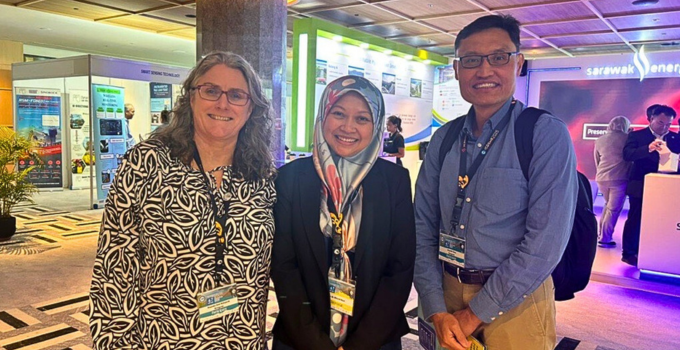
Earlier this month, I had the privilege of joining colleagues from across Malaysia and the region at the 3rd International Conference on Dam Safety Management and Engineering (ICDSME2025), organised by the Malaysia Commission on Large Dams (MYCOLD), held in Kuching, Sarawak. There’s a particular energy that comes with a MYCOLD conference – part reunion, part technical deep-dive, part regional conversation about water, resilience and community safety.
I returned energised and inspired – not only by the technical excellence on display, but also by the sense of shared purpose across our industry and the tangible people-to-people exchanges and collaborations. With energy systems transforming rapidly, climate change accelerating and dam safety expectations strengthening, it has never been more important for dam and hydropower professionals to share openly and learn from one another. ICDSME2025 offered that in abundance.
Here are just a few reflections on some of what I heard …
Reimagining hydropower in changing markets and climates
In the ‘Advancing sustainable hydropower’ session, I shared perspectives from Tasmania’s long hydropower journey and Entura’s experience supporting the state’s major renewable energy initiatives.
My message was clear: the feasibility of pumped hydro or of reimagining conventional hydropower isn’t simply a technical question of ‘can we build it?’ but ‘what is the long-term value it creates?’ Smart choices depend on a holistic understanding of context – i.e. the markets, energy mix, climate, environmental impacts and benefits, and community perspectives and impacts. Pumped hydro is never ‘impact-free’, and it is not inherently more sustainable than conventional hydropower. What matters is how we think about the future of the energy transition, understanding what role pumped hydro can play in that context, how well we select sites, how carefully we consider environmental and social impacts, and how thoughtfully we design (and extend) assets for long-term economic and social value.
With wind and solar dominating new energy investment in Australia, hydropower’s baseload role can shift to respond to evolving market dynamics. Hydropower’s deep storage, flexibility and system stability are becoming increasingly important. We’re seeing these opportunities in Tasmania, where both conventional hydropower and pumped hydro could – with more interconnection to the mainland – help balance a renewables-rich National Electricity Market while returning extra revenue to Tasmania and increasing the reliability of supply across Australia’s south-east.
Climate change adds further complexity to feasibility considerations. Changing rainfall patterns, more variable inflows and more frequent extremes – as well as with the increasingly variable generation mix and how energy sources interact – all influence when hydropower can generate or store.
Ultimately, I believe there are not only opportunities with extending operating life, refurbishing or redeveloping dam assets; there are also obligations upon us as an industry to do our best for the sustainability of these assets. We need to focus constantly on how to optimise outcomes from the base impacts of hydropower or dam developments and seek ways to reduce impacts into the future. We also need to think about how to deliver great outcomes and value that extends across a long asset life, beyond the limited commercial timeframes considered in final investment decisions.
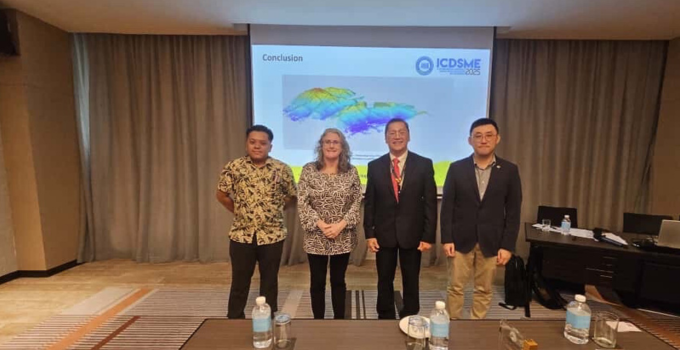
Technology, people and the future of dam safety
I had the honour of chairing a keynote session featuring Yang Berbahagia Prof. Datin Ir. Dr. Lariyah binti Mohd Sidek and Dr Martin Wieland.
Dr Wieland’s insights into the seismic performance of dams reminded us that strong engineering fundamentals remain as crucial as ever, even as digital tools advance. Prof. Lariyah explored how digital platforms, artificial intelligence and risk-based frameworks are shaping the next generation of dam safety practice. She emphasised the importance of the human layer: building institutional readiness, strengthening safety culture, fostering stakeholder trust, and ensuring effective engagement with communities.
Together, their perspectives reinforced that the future of dam safety will depend on both technological innovation and human-centred capability and how effectively these dimensions interact. That’s something Entura is focused on as we continue to bring deep expertise and experience, while exploring and testing the possibilities of new technology to support design and analysis.
Learning from incidents to strengthen global knowledge
Another highlight for me was chairing a session on dam surveillance, monitoring and evaluation. Seven presentations, while different in context and purpose, in combination emphasised the power of data and the importance of learning from experience.
A standout paper examined the 2022 landslide incident at Kenyir Dam, an event that occurred quite soon after Entura’s dam safety inspector training program used the dam as a site visit capstone. Despite extreme rainfall and slope instability, and some damage to appurtenant structures and spillway, instrumentation data confirmed that the dam behaved as designed. What was also clear was that, largely, the instrumentation in place and the data that was able to be collected was a positive demonstration of the importance of robust dam design and monitoring systems.
Another paper explored machine-learning approaches to forecasting short-term reservoir levels at Batang Ai Hydroelectric Project – a scheme with which Entura has long been associated. The results were impressive and point to a future where AI-supported forecasting strengthens real-time operations, especially under increasing climate variability.
These are exactly the kinds of insights our industry must continue to share openly and widely. We can never ‘design out’ all risk, but we can reduce it through good data and continual reflection and learning from real-world events.
Strengthening long-term capability in Malaysia
ICDSME2025 also highlighted the importance of building capability – something I am passionate about. It was encouraging to see Malaysia’s Certified Dam Safety Inspector program, developed with input from Entura’s training arm ECEWI, growing into a sustained and locally led pathway, launched during the conference. Strengthening dam safety ultimately depends on skilled people and strong institutions, making investment in training an investment in long-term sustainability of dam safety governance – and ultimately greater national resilience. We hope to continue to work with MYCOLD to determine how our specialised expertise can further enhance capability uplift beyond surveillance, extending to dam safety risk decision making and dam safety engineering.
A shared commitment to the future
Conferences like ICDSME2025 are timely reminders of our collective responsibility and the shared purpose we need to bring to the challenges ahead. We’re all navigating the same landscape, and when we come together – sharing data, stories and lessons – we accelerate progress for everyone.
I am grateful to MYCOLD for the invitation to contribute and for the generous knowledge-sharing throughout the event. I left Sarawak optimistic: the connection, commitment and collaboration across our sector have never been stronger as we work toward our common goal: safer, more sustainable dams and hydropower systems that support resilient futures.
Can you trust advanced tools without qualified professionals behind them?

To make confident decisions about renewable energy assets – from building a wind farm to monitoring dam performance or optimising asset management – owners and operators need precision data they can trust.
As the renewable energy sector becomes increasingly digitised, the quality of measurements matters more than ever. Digital twins, predictive analytics, AI-driven performance tools and remote operations all depend on reliable, precise and traceable data.
Good data provides visibility. It lets owners and operators detect faults or safety issues early, optimise performance, and protect reliability and revenue. For example, accurate turbine alignment during installation or refurbishment could save hundreds of thousands of dollars in downtime and maintenance.
However, data only provides value if it has the right level of accuracy for the job intended. If the data isn’t up to scratch, the decisions won’t be either.
Keeping pace with technology is a steep learning curve
Surveying has always been the backbone of infrastructure development, land management and industrial precision. From the early days of using theodolites and chains to today’s cutting-edge technologies like laser scanning, UAV photogrammetry and LiDAR, the discipline has evolved dramatically. Yet, one constant remains: the need for appropriately qualified and experienced professionals.
Surveying is far more than measuring distances – and achieving precision requires more than sophisticated instruments. It requires a deep understanding of geodesy, data integrity, error propagation and spatial analysis. Traditional instruments such as theodolites and total stations demand mastery of angular measurement and trigonometric principles. GNSS-based methods introduce complexities like satellite geometry, atmospheric corrections and datum transformations. As technology advances, the learning curve steepens: laser scanners and UAVs generate massive point clouds, while LiDAR systems demand expertise in filtering, classification and 3D modelling.
Surveying principles now extend beyond land and construction into industrial metrology, where precision is measured in microns rather than millimetres. In the renewable energy sector, the applications are vast, from assessing hydropower turbine blade wear and integrity of concrete structures to verifying the verticality of wind turbines and ensuring accurate positioning of new hydraulic equipment. Here, advanced techniques like laser trackers and terrestrial laser scanning dominate, and the margin for error is extremely small.
Precision gives confidence that the data feeding an asset’s digital models is accurate, consistent and aligned with recognised standards. When survey instruments, operational sensors and digital monitoring systems all work within a strong metrological framework, asset owners can be confident that their decisions are based on fact, not noise.
The human behind the technology
However sophisticated today’s measurement tools and technologies may be, their outputs are only as trustworthy as the professionals behind them.
Without properly qualified and experienced operators, advanced tools can become liabilities rather than assets. Misinterpretation of data or incorrect calibration can lead to costly errors in construction, infrastructure alignment or asset management.
Using the wrong technique or sensor for the use case and conditions, neglecting appropriate calibration, and a lack of adequate redundancy can lead to major issues and costly mistakes.
Specialised, qualified professionals will think through these issues early, ensuring that accuracy and tolerance requirements are clearly defined from the start and that data integrity is maintained throughout with robust quality control and assurance procedures.
Human insight provides the environmental and engineering context and assurance that automated systems alone cannot deliver. Surveying and metrology professionals can determine whether readings are valid and offsets are accounted for – and will be able to distinguish genuine change from measurement anomalies.
Ultimately, it is professional judgement that transforms accurate data into actionable insights and confident decisions.
Accuracy drives advantage
Today’s surveying advances are transforming how decisions are made. Spatial data is no longer just a technical input; when validated and interpreted by qualified professionals, it becomes a valuable source of real strategic insight and advantage. When the data is right from the start, every subsequent step becomes more certain and the outcomes have the best chance of being more efficient and sustainable. Such clarity can be the difference between success throughout an asset’s lifecycle and expensive lessons learned.
As technologies advance, so does the need for qualified professionals who understand both the science of measurement and the realities of complex, dynamic infrastructure. By ensuring accuracy, compliance with standards and efficient workflows, the qualified surveyor safeguards projects from financial and reputational risks – enabling the reliability, safety and commercial confidence that every asset owner depends on.
If you’d like to talk to us about the potential of advanced surveying and metrology on your project, contact Phillip Ellerton or a member of our Spatial & Data Services Team.
Unlocking repowering for Australia’s older wind farms
Europe and the US are already upgrading older wind farms with powerful new turbines. Repowering could potentially offer significant opportunities in Australia’s energy transition, but there are barriers. Australia risks falling behind unless action is taken now to make repowering easier, faster and more attractive for investors. Dr Andrew Wright, Bunfu Yu and Donald Vaughan explore the opportunities for intervention …
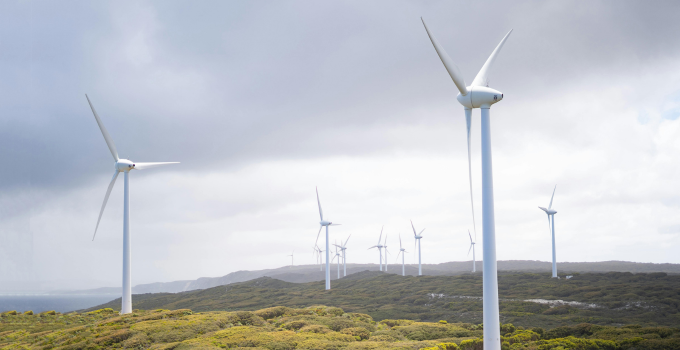
To accelerate the clean energy transition, repowering old wind farms should be a serious consideration. Many of Australia’s earliest wind farms are reaching the middle or end of their design lives. These projects were pioneering at the time, but today’s turbines are taller, more efficient and capable of generating far more electricity from the same site – which is likely to have some of Australia’s strongest and most consistent wind.
Repowering could potentially offer a faster, cheaper and less disruptive way to boost renewable generation than building entirely new projects. Yet, despite the clear potential, repowering is still rare in Australia.
The pending closure of Pacific Blue’s Codrington Wind Farm in Victoria announced in February 2025 is an interesting case study, demonstrating potential barriers. Pacific Blue has concluded that a project with new wind turbines at Codrington is not financially viable once the existing turbines reach the end of their useful life. Consisting of 14 x 1.3 MW wind turbines and completed in June 2001, Codrington is one of the earliest wind farms completed in Australia. The site no doubt has a great wind resource, but its small size and the limited capacity of the 66 kV grid connection do not suit modern wind turbines, which are typically at least 4 times the size and capacity.
Codrington is the largest old wind farm to announce its decommissioning in Australia. But other large early projects of similar age are also facing decisions about repowering or decommissioning.
This raises a question: are government and regulatory authorities properly prepared for an influx of ‘new old’ projects?
There is an expectation that larger wind farms will repower with new wind turbines, using and perhaps augmenting existing grid connections, under new development permits. But this concept is yet to be tested and proven in Australia.
How should governments and regulatory authorities in Australia deal with the planning approval aspects of repowering wind farms? Presently, they are considered like any other new development – but other countries have shown that repowering can be unlocked with practical mechanisms to incentivise developers, streamline planning and ease grid connection hurdles.
Incentivising repowering
Repowering requires significant capital investment – so a targeted financial incentive could make a meaningful difference in getting the project to stack up.
In Europe, there is a growing view that governments are not doing enough to drive forward the repowering of older wind farms that might otherwise carry on operating with inefficient use of land and resources. Local communities are typically comfortable living in the vicinity of wind farms that have been operating for a long period, so there is a strong argument that governments should develop specific policies to encourage repowering of old sites that already have community acceptance.
Germany led the way in direct policy intervention with a ‘repowering bonus’ included in 2009 in its Renewable Energy Sources Act, rewarding wind farm owners with a EUR 0.5 cent/kWh feed-in tariff bonus for replacing older wind turbines with modern, higher-capacity machines. This policy delivered more energy from fewer turbines while reducing land-use impacts. Repowering has subsequently become a significant contributor to Germany’s wind energy growth, with 1.1 GW of new wind capacity in 2023 coming from repowering.
In the USA, the Production Tax Credit (PTC) is now phasing out. This is an example of a policy that encouraged repowering as an unintended consequence. Enacted in 1992, it provided businesses with a tax credit per MWh of electricity generation for the first 10 years of a wind farm’s life. This created an incentive to generate as much output as possible for 10 years, and then build a new project to renew the tax credit. Given that 10 years is too short a lifetime for a well-engineered and well-run wind farm, this is not an ideal example of incentivising repowering.
Australia has no equivalent incentive for repowering. Early wind farms like Challicum Hills in Victoria, Starfish Hill in South Australia, and Tasmania’s Woolnorth wind farms are now approaching the end of their operating lives. Direct financial incentives or market mechanisms rewarding greater efficiency, reliability and grid services provided by repowered assets could make the difference between decommissioning these assets or repowering with new wind turbines to deliver decades more renewable energy.
Navigating approvals
In most cases, repowering will require additional planning and environmental approvals. This depends on the scale of the changes: are the turbines taller? are there new civil works? is the layout shifting? what new accesses or grid connection corridors might be required? The success of repowering depends on navigating approvals with the same care and thoroughness as for new projects.
Policy positions and guidelines have evolved over the last 2 decades, and there are now more stringent guidelines dictating the matters for consideration during approvals. Additional threatened or endangered species may also have been listed over the years.
Community engagement is a critical part of repowering and should not be overlooked. Even where communities have co-existed with a wind farm for decades, taller turbines or different layouts could raise new concerns about landscape impacts or amenity. Early dialogue and transparent benefit-sharing will help build trust and engagement in the project.
Clear planning, targeted environmental studies, and early engagement with regulators and communities can help projects capture the benefits of modern technology while minimising risks of delay.
A dedicated fast-track pathway for repowering would help these projects progress. Such a pathway could recognise prior approvals, with updates only where impacts materially change (e.g. taller turbine heights, new technology, and the cumulative effects of other developments), or where environmental values have changed. This doesn’t mean bypassing safeguards or consultation, but it does mean matching the level of scrutiny to the level of risk.
Easing grid connection challenges
Connecting a repowered project to the grid inevitably involves meeting stricter requirements than the original project, which will take time and add cost. Yet there is a strong argument that repowered projects should have some special considerations, given the differences between a greenfield development plugging into an existing network, and a replacement of an existing project with newer technology.
Proponents are faced with three paths: a new connection to the current rules, a grandfathered connection under the previous rules, or a hybrid approach. All of these have benefits and drawbacks. The best path will depend on the like-for-likeness of the repowering in terms of size, turbine technology and the amount of reused equipment (transformers and other electrical balance of plant).
Another consideration is whether the non-scheduled status of early wind farms can be preserved through this process. It is likely that significant changes to power or energy output may trigger a change. As a minimum, model accuracy requirements will apply to a new connection – which may lead to more detailed testing than the plant had previously been subjected to.
Options to help alleviate these challenges could include tailored connection pathways that recognise existing infrastructure, de-coupling from grid queue management for repowering projects, and clear technical standards so developers know what to expect.
As well as accelerating repowering, this could help make better use of grid assets, reducing pressure for new transmission.
What now for repowering?
Jurisdictions in Europe and the USA demonstrate that repowering works when governments set the right conditions. Early Australian projects such as Codrington, Starfish Hill, Challicum Hills and Woolnorth wind farms show that the time to decide is already here.
Given the challenges to achieve timely and cost-effective repowering in Australia, should we leave the low-hanging fruit of legacy sites dormant for now, and keep deploying capital on scale-efficient large sites in the short term?
Prioritising efficient large sites makes sense for urgent growth, but there are ways to pursue both greenfield and repowering – and the advantages of repowering remain. The early wind farms were built in some of the windiest, most accessible locations in Australia. Leaving these sites dormant would waste high-quality wind assets where there may already be community goodwill and existing grid assets.
Now is the time to consider whether particular site design approaches could make a site more easily repowerable in future – such as the way reticulation is installed, different approaches to foundations, scalable switchrooms and yard layouts. Is there a niche for wind turbine OEMs to offer lower power variants of new designs to better suit the scale of repower sites? Creativity and innovation will be needed – because the transition is too big and too urgent for us to leave repowering in the ‘too hard’ basket.
By pursuing both new developments and repowering simultaneously, Australia could capture immediate growth from large-scale projects while also making efficient use of our best wind resources and existing assets, maintaining community benefits and regional employment, and avoiding a wave of retired or stranded capacity.
If you are considering your wind farm’s future options and opportunities, please contact Andrew Wright or Patrick Pease.
ABOUT THE AUTHORS
Dr Andrew Wright is Entura’s Senior Principal, Renewables and Energy Storage. He has more than 20 years of experience in the renewable energy sector spanning resource assessment, site identification, equipment selection (wind and solar), development of technical documentation and contractual agreements, operational assessments and Owner’s/Lender’s Engineer services. Andrew has worked closely with Entura’s key clients and wind farm operators on operational projects, including analysing wind turbine performance data to identify reasons for wind farm underperformance and for estimates of long-term energy output. He has an in-depth understanding of the energy industry in Australia, while his international consulting experience includes New Zealand, China, India, Bhutan, Sri Lanka, the Philippines and Micronesia.
Bunfu Yu is a dynamic young leader in renewable energy planning, approvals, and business development. Bunfu played a pivotal role in Entura’s Environment and Planning Team’s success in achieving the Planning Institute of Australia’s National Award for Stakeholder Engagement in 2024. In 2023, Bunfu was named the National Young Planner of the Year by the Planning Institute of Australia. This honour recognised not only her passion for the planning and delivery of renewable infrastructure but also her active contribution to the profession through mentoring, public engagement, and knowledge sharing. She is currently a Senior Environmental Planner and a Business Development Manager at Entura.
Donald Vaughan has over 20 years’ experience providing advice on regulatory and technical requirements for generators, substations and transmission systems. He has worked for all areas of the electrical industry, including generators, equipment suppliers, customers, NSPs and market operators. Donald specialises in the performance of power systems. His experience in generating units, governors and excitation systems provides a helpful perspective on how the physical electrical network behaves.
From feasibility to operations: how technical due diligence can empower renewable energy investment
Confident investment in renewable energy projects is the key to accelerating the clean energy transition. Yet every renewable energy project carries some uncertainties at every stage, from early feasibility to long-term operations.
For all involved – developers and contractors, investors and lenders, stakeholders and communities – trust in a project’s viability and success will grow when there is a strong framework in place to thoroughly assess and quantify the project’s technical and financial assumptions, risks and unknowns.
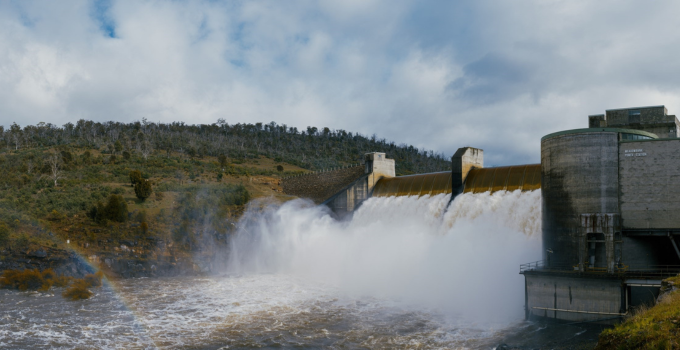
Robust technical due diligence needs to span all the stages of the project’s development, though its focus will change as the project evolves.
Here we examine how sound technical due diligence, applied throughout the lifecycle of a renewable energy project, can provide a strong foundation for sustainable delivery and greater confidence of a bankable investment.
Due diligence is an ongoing process
Technical due diligence of renewable energy projects (including wind, solar or hydropower) isn’t a one-off activity. It evolves as a project advances.
The aim in the early stage is to verify the design assumptions and to determine if a concept can evolve into a viable investment.
During execution (construction), the emphasis shifts to project monitoring and adaptive risk management, ensuring that construction progress aligns with budgeted milestones.
Once operational, the focus is on assessing the project’s outputs (energy generation, efficiency, etc.) and maintenance practices while also ensuring contractual integrity, which is critical for refinancing or acquisition decisions.
Together, these different phases of due diligence form a continuum of technical supervision which ultimately helps to support the long-term success of the project.
Pre-construction phase
Pre-construction due diligence is a multidisciplinary process that assesses site conditions, verifies design feasibility, and validates operational feasibility. This leads to more realistic financial projections, which in turn enable objective and systematic investment decisions.
Key elements of pre-construction due diligence typically include review or assessment of the following:
– environmental approval status and consent conditions
– geological and geotechnical studies
– hydrology and hydraulic components (hydropower)
– mechanical and electrical equipment
– power evacuation and grid connection
– constructability and logistics
– unit rates and project costs
– pre-construction risk assessment
Execution phase (construction)
Once a project secures financing and enters the construction phase, the technical due diligence focus moves to active oversight of whether the project is being delivered safely, efficiently and to the required standard. The consultant helps the project achieve timely outcomes during construction and commissioning. The key elements of technical supervision during construction include the following:
– ongoing design reviews
– initial review of the execution plan
– construction quality monitoring
– construction progress monitoring
– updated risk assessments
– assurance of adherence to standards
– identification of opportunities for continuous improvement
– milestone reporting
These assessments help to identify deviations from plans, enhance transparency and reinforce investor confidence.
Operational phase (existing assets)
For businesses considering investing in or acquiring operational assets, due diligence helps to assess how the asset is performing, verify the asset’s physical condition, and identify improvements that can sustain value into the future. This is essential for establishing accurate valuations and identifying hidden risks. A competent technical consultant can offer tailored services that combine desktop reviews with on-site inspections to inform the investment decision.
Key components of due diligence of existing assets include the following:
– review of condition of plant and equipment
– performance review
– review of O&M
– hydrological assessment (hydropower)
– risk identification
This stage of due diligence is especially relevant in a secondary market, where investors are seeking to invest in brownfield assets to diversify their portfolios. The goal is to ensure that the asset’s operational reality matches its financial promise.
Building confidence from concept to operation
Entura has seen firsthand how due diligence strengthens projects at every stage. We’ve fulfilled many technical due diligence and advisory roles in different contexts – and sometimes multiple roles on a single project.
For continuity, a single consultancy can take on a range of responsibilities across the different phases of a project: whether that’s technical feasibility assessment, technical due diligence, Owner’s or Lender’s Engineer roles, or Independent Technical Advisor. These roles are different in focus, timing and perspective, but they’re ultimately all about building confidence in the viability and success of the project.
One example is the Kidston Pumped Storage Project (K2-Hydro), for which Entura initially prepared the technical feasibility assessment considering factors that influence the project’s technical and commercial viability, and then played an advisory role leading to financial close. During the construction phase, our role shifted to that of Owner’s Engineer, helping to ensure the project’s designs meet current practice and that construction is implemented in accordance with the designs and specifications.
In the pre-construction stage, Entura has completed technical due diligence of many hydropower and other renewable energy projects. For example, we’ve recently taken on this role for several hydropower projects planned for development in India, ranging from a 32 MW hydropower project right through to an 1800 MW pumped storage project. These assessments included hydrological studies, power potential studies and reviews of project layout, plant design and electro-mechanical works, power evacuation arrangements, power purchase agreements, technical risks, costs and construction schedule, and more.
We’ve also conducted due diligence for many solar, wind and hybrid renewable energy projects. For example, Entura was engaged as the technical due diligence consultant for the 112 MW Granville Harbour Wind Farm to support the client’s financial closure. We provided technical services including energy estimates, review of permits and grid connection, development of technical specifications, review of the project design, and checks of environmental compliance– all necessary for successful financial closure.
We continued our involvement into the construction stage as Owner’s Engineer, providing construction support, overseeing the civil and geotechnical components of construction, and conducting regular site inspections to ensure the works were undertaken in accordance with the relevant industry and safety standards.
Translating technical findings into financial indicators
Technical due diligence at every stage of a project’s lifecycle requires a level of rigour that goes beyond a simple compliance requirement. It is fundamental to long-term asset performance, stakeholder trust and the validity of financial assumptions and projections. Consultants involved through the feasibility, construction and operational phases can contribute meaningfully to the project development.
Although financial modelling lies outside a technical consultant’s scope, their work forms the backbone for credible financial analysis and investment decisions that are integral to the overall business case development. Each finding from the technical process can be used to support further financial due diligence to inform investment, lending or acquisition decisions.
By structuring the technical findings around the following four financial pillars, technical due diligence becomes a bridge between the on-the-ground realities of the project and its ultimate financial viability.
Capital and operational expenditure
Energy production and revenue estimates
Financing arrangements
Financial appraisal parameters
What does this mean for stakeholders?
Sound technical due diligence can cater to the financial expectations of different stakeholders making it a key instrument for strategic decision support.
- Long-term investors (developers or buyers) prioritise clarity on returns, dividend sustainability, and resilience of the asset into the future. Their confidence hinges on realistic operation plans, reliable energy forecasts, and durable O&M strategies derived from feasibility assessments and construction-phase monitoring.
- Debt providers focus on debt-service coverage ratios (DSCR) which indicate the capacity of the project to generate sufficient revenue to repay loans. Lenders will want reassurance about budget contingencies, capability of contractors and robustness of project schedules – all of which are assessed in detail during the due diligence.
- Insurers require information about structural failure modes, the risks of operational outage, and force-majeure conditions. These can be informed by detailed technical analyses and condition assessments from operational audits.
When applied consistently throughout the course of a project, from feasibility to operations, technical due diligence helps all stakeholders measure project risks, avoid unexpected costs, and evaluate potential and actual performance. This is the bedrock for confident financial decisions – and ultimately, for driving the energy transition forward at the scale and pace our environment and communities urgently need.
ABOUT THE AUTHOR
Sagar Shiwakoti is a civil engineer with master’s degree in water resources engineering and close to a decade of experience in flood studies (hydrological and hydraulic assessment) and hydraulic design for hydropower projects. Prior to joining Entura in 2022, he worked with the Nepal Electricity Authority and Hydroelectricity Investment and Development Company, where he gained extensive experience in technical due diligence for hydropower projects. Sagar was also a lecturer in civil engineering for a number of years at Tribhuvan University, Kathmandu.
New technologies give deeper insight to protect the shallows
Water is a precious resource for communities and industries – and for the health of river ecosystems. Balancing these needs around dams can be very complex. In this article, Dr Will Elvey and Dr Colin Terry explore how advanced technologies and methods can help dam owners/operators better understand shallow downstream areas to support aquatic biodiversity …
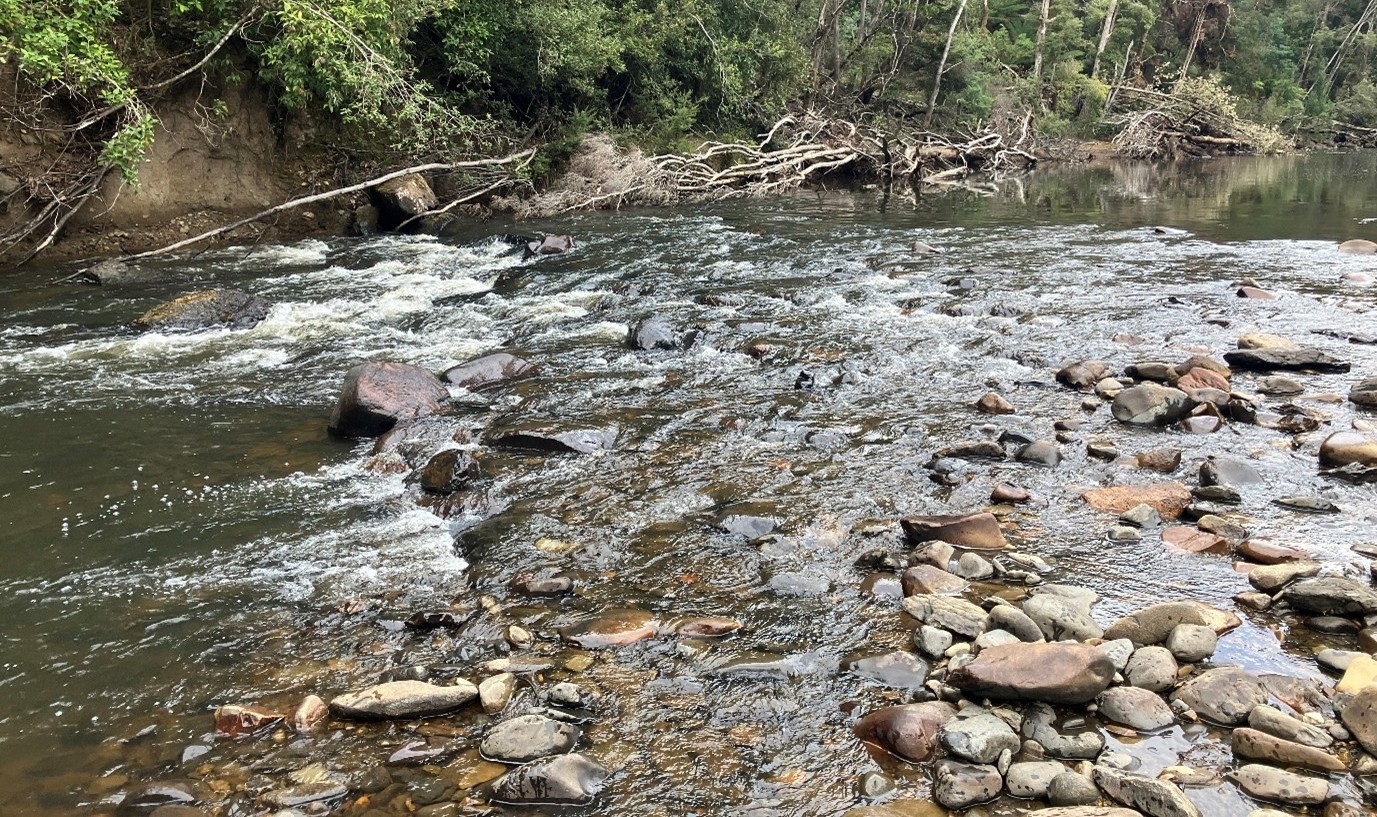
Dams are crucial for many communities, providing water security, energy and economic growth – but they also change the natural flow of rivers and streams.
To preserve downstream ecosystems and species, ‘environmental flows’ (e-flows) began to be implemented in hydropower operations from the 1970s and the concept became more sophisticated and more formalised as the decades rolled on. In Australia, e-flow assessments are now typically required by state or Commonwealth regulators for new dam projects or major operational changes.
These assessments are complex and challenging both for new developments and for retrofitting existing schemes. As the concept of e-flows continues to evolve, methods of modelling and assessing these flows must evolve too.
Getting a deeper understanding of what’s downstream
Scientific understanding of the ecological requirements of freshwater species and the physical processes that shape their habitats has advanced significantly since e-flow studies began. Many aquatic species exhibit preferences, or even strict dependencies, on specific velocities and depths. To accommodate those preferences or dependencies, it’s vital to better understand how habitat availability and quality respond to different e-flow regimes (i.e. the timing of discharge and the diversity of velocity and depth across the channel).
There are many approaches for simulating habitat changes under varying flow conditions, but all rely on hydraulic models. E-flow assessments are often constrained by the capabilities of the hydraulic models used, and simpler models are generally inadequate for addressing complex ecological questions. Attempts to use simple models to inform more detailed ecological metrics, such as habitat preference curves for individual species, often fail to deliver the intended environmental outcomes.
Using simple models can lead to adopting basic flow rules, where benefits are difficult to quantify beyond broad estimates (e.g. maintaining wetted channel widths or meeting minimum depth thresholds). The inherent limitations of simplistic hydraulic modelling can also make it difficult to justify proposed environmental water releases to regulatory agencies and water resource managers.
Simple models suit simple questions only
Early environmental flow studies commonly used one-dimensional (1D) hydraulic models, which assume uniform water properties across the channel and throughout the water column, varying only along the main flow direction. But in reality, the shape of a watercourse and its hydraulic properties are too variable to be able to be simulated well by 1D models.
Shallow water zones in rocky riverbeds – which are often highly ecologically diverse and are vulnerable in droughts or insufficient flows – are particularly hydraulically complex.
1D models are still used and do provide useful general information such as wetted cross-sectional area, average velocity, and minimum and maximum depths. However, they lack detail about vertical and lateral flow dynamics and can’t simulate water movement around complex in-channel structures like rock substrates or little waterfalls.
This means that 1D models are best suited to answering relatively simple questions – for example, how different discharge changes the wetted area, or what the maximum and minimum depths and velocities are for a cross-section.
1D models, when configured with sufficient cross-sections through complex areas of riverbed, can more effectively address questions such as whether minimum depths allow fish to pass through shallow reaches during low flows, or whether velocities are sufficient to support macroinvertebrates that thrive in faster flowing areas, such as stoneflies, mayflies, caddisflies, elmid beetles and some dragonfly species.
Estimating water velocity is crucial for understanding how physical habitat is maintained through the mobilisation of bed particles, from the fine silts to the largest rocks.
The accumulation of fine sediments on surfaces, and within the spaces between and beneath rocks, can degrade habitat quality for many aquatic species. Simulations of water velocity and associated shear stress can help determine whether flows are sufficient to transport fine sediments away from riffle habitats.
At the other end of the spectrum, annual peak flows of sufficient magnitude to mobilise larger substrate classes (from gravels to boulders) play a key role in maintaining healthy river systems. However, the low spatial resolution and limited physics of 1D models means they can only contribute to general estimates of bed mobilisation.
New technologies reveal more detail – informing better e-flows
Emerging field observation methods and computer modelling approaches that are more sophisticated and detailed can better guide environmental releases, particularly where the riverbed slope and substrate vary. These environments require a deeper understanding of the dynamics of shallow flow to support ecologically meaningful outcomes.
In the past, field measurement was limited to point surveys at cross-sections, and computers only had the capacity for modelling 1D versions. Now, with accurate airborne drone surveys using photogrammetry and LiDAR, scientists can better describe the physical geometry of a watercourse.
Advanced computer hardware and 3D modelling software are enabling a more accurate – and more rapid – understanding of water behaviour. It is now possible to create a plausible 3D time-varying version of the water flow, with detail that enables aquatic scientists to provide better advice on appropriate environmental flows. Fewer limitations generally leads to more cost-effective insights and, in turn, better management of environmental values.
Modern methods in practice
This example demonstrates the power of evolved methods and new technologies.
A 600 m stretch of a river that is approximately 20 m wide, with a rocky bed, was surveyed by drone, capturing 1,260 images which were used to create a highly detailed 3D version of the river’s geometry. Then, using 2D and 3D hydraulic software, different flows in the test area were simulated, ranging from a trickle to larger floods. The critical flows for healthy aquatic life are the diverse shallow flows in areas large enough to allow an abundance of diverse life.
Figure 1 gives a typical view of the river. Figure 2 shows samples of the geometry captured and processed. Figure 3 shows output from the 3D hydraulic modelling software.
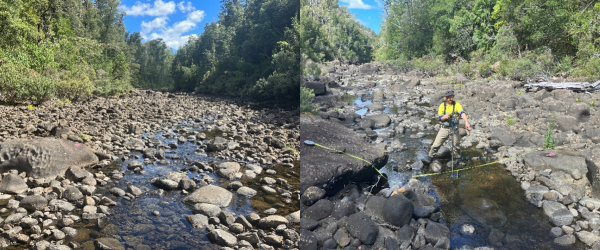
Figure 1. River at low-flow gauging (0.0077 m³/s) site looking upstream and downstream
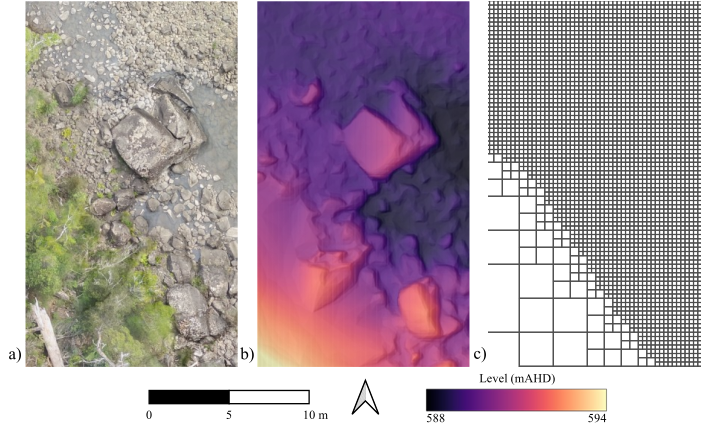
Figure 2. a) Aerial image, b) DTM, c) 2D grid, for the same area of river
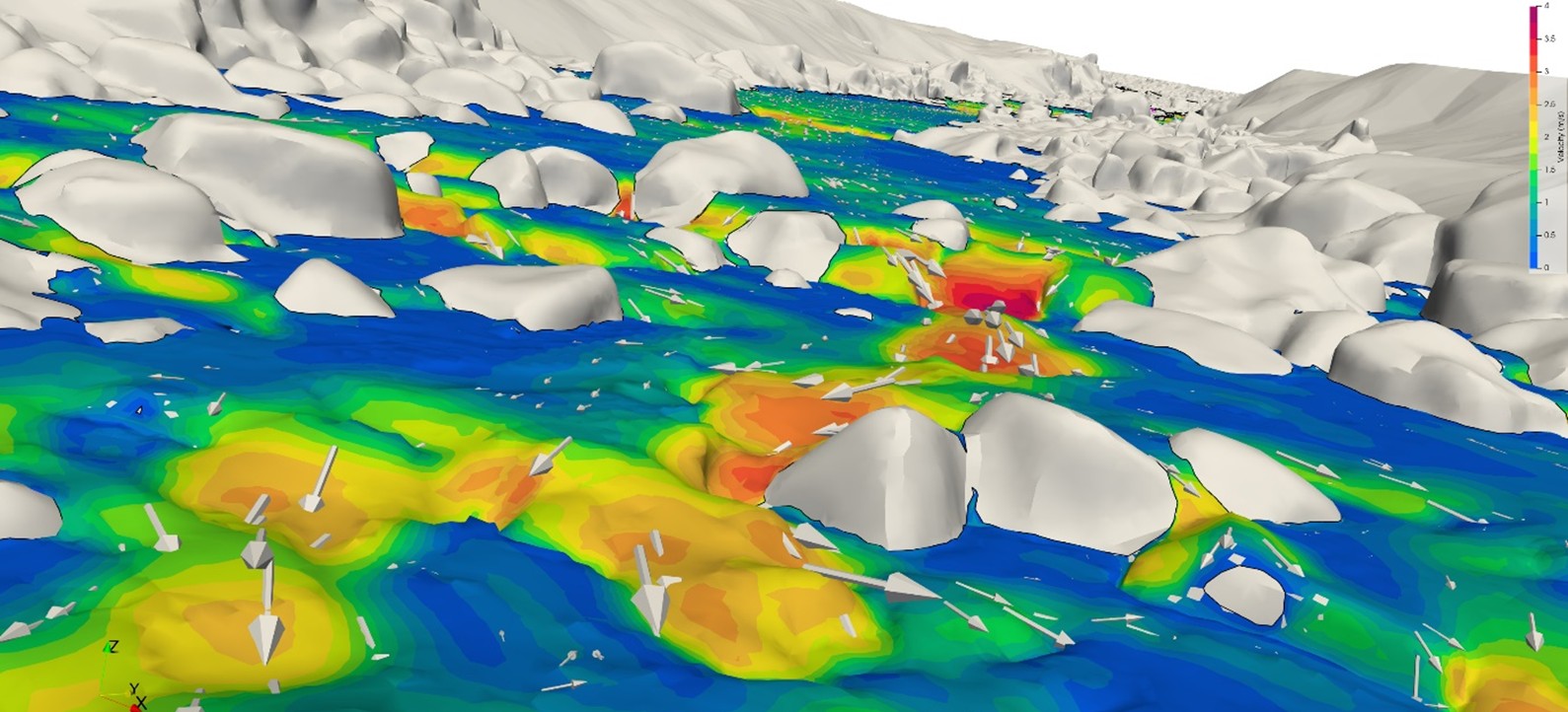
Figure 3. Water surface with scaled velocity vectors, looking upstream for 3 m³/s (3D model)
Find out more about the evolution of the e-flow concept and assessments
Find out more about river habitats and the importance of shallows for aquatic biodiversity
ABOUT THE AUTHORS
Dr Will Elvey is a Senior Environmental Scientist with Entura specialising in aquatic invertebrates, freshwater fish, freshwater habitats and ecohydrology. Will has nearly three decades of experience as a consultant in Tasmania and the United Kingdom. He has been involved in a wide range of projects that include assessing impacts of stressors on aquatic ecosystems.
Dr Colin Terry is Entura’s Senior Principal, Water (Hydraulics/Hydrology). Colin has over three decades of engineering experience, most with a water focus. He has expertise in water modelling, design and planning of dams, hydropower and water infrastructure, including 3D CFD analysis of hydropower intakes, rivers and dam spillways. Colin has worked at senior technical levels of small and large organisations across Australia and New Zealand.
‘Dams for People, Water, Environment and Development’ – some reflections from ICOLD 2024
Entura’s Amanda Ashworth (Managing Director) and Richard Herweynen (Technical Director, Water) recently attended the International Commission on Large Dams (ICOLD) 2024 Annual Meeting and International Symposium, held in New Delhi. Amanda presented on building dam safety capability, skills and competencies, while Richard presented on Hydro Tasmania’s risk-based, systems approach to dam safety management, and the importance of pumped hydro in Australia’s energy transition.
Here they share some reflections on ICOLD 2024 …
Richard Herweynen – on the value of storage, ‘right dams’, and stewardship
At ICOLD 2024 we were reminded again that water storages will be critical for the world’s ability to deal with climate change and meet the growing global population’s needs for food and water. We can expect greater climate variability and therefore more variability in river flows, which means that more storage will be needed to ensure a high level of reliability of water supply. Without more water storages to buffer climate impacts, heavily water-dependent sectors like agriculture will be impacted.
To slow the rate of climate change, we must decarbonise our economies – but without significant energy storage, it will be difficult to transition from thermal power to variable renewable energy (wind and solar). Pablo Valverde, representing the International Hydropower Association (IHA), said at the conference that ‘storage is the hidden crisis within the crisis’. There was a lot of discussion at ICOLD 2024 about pumped hydro energy storage as a promising part of the solution. It is also important, however, to remember that conventional hydropower, with significant water storage, can be repurposed operationally to provide a firming role too. Water storage is the biggest ‘battery’ of the world and will be a critical element in the energy transition.
With the title of the ICOLD Symposium being ‘Dams for People, Water, Environment and Development’, I reflected again on the need for ‘right dams’ rather than ‘no dams’. ‘Right dams’ are those that achieve a balance among people, water, environment and development. In the opening address, we were reminded of the links between ‘ecology’ and ‘economy’ – which are not only connected by their linguistic roots but also by the dependence of any successful economy on the natural environment. It is our ethical responsibility to manage the environment with care.
When planning and designing water storages, we must recognise that a river provides ecological services and that affected people should be engaged and involved in achieving the right balance. If appropriate project sites are selected and designs strive to mitigate impacts, it is possible for a dam project’s positive contribution to be greater than its environmental impact, as was showcased in number of projects presented at the ICOLD gathering. Finding the balance is our challenge as dam engineers.
The president of ICOLD, Michel Lino, reminded delegates that the safety of dams has always been ICOLD’s focus, and that there is more to be done to improve dam safety around the world. At one session, Piotr Sliwinski discussed the Topola Dam in Poland, which failed during recent floods due to overtopping of the emergency spillway. Sharing and learning together from such experiences is an important benefit of participating in the ICOLD community.
Alejandro Pujol from Argentina, who chaired one of the ‘Dam Safety Management and Engineering’ sessions, reflected that in ICOLD’s early years the focus was on better ways to design and construct new dams, but the spotlight has now shifted to the long-term health of existing dams. It is critical that dams remain safe throughout the challenges that nature delivers, from floods to earthquakes. In reality, dams usually continue to operate long beyond their 80–100 year design life if they are structurally safe, as evidenced in the examples of long-lived dams presented by Martin Wieland from Switzerland. He suggested that the lifespan of well-designed, well-constructed, well-maintained and well-operated dams can even exceed 200 years. As dam engineers, no matter the part we play in the life of a dam, we have a responsibility to do it well.
From my conversations with a number of dam engineers representing the ICOLD Young Professional Forum (YPF), and seeing the progress of this body within the ICOLD community, I believe that the dam industry is in good hands – although, of course, there is always more to be done. I was pleased to see an Australian, Brandon Pearce, voted onto the ICOLD YPF Board.
Another YPF member, Sam Tudor from the UK, reminded us in his address of the importance of knowledge transfer, the moral obligation we all have especially to the downstream communities of our dams, and our stewardship role. He was referencing his experience of looking after dams that are more than 120 years old – all built long before he was born. Many of our colleagues across Entura and Hydro Tasmania feel this same sense of responsibility and pride when we work on Hydro Tasmania’s assets, which were built over more than a century and have been fundamental to shaping our state’s economy and delivering the quality of life we now enjoy. It is up to all of us to carry the positive legacy of these assets forward with care and custodianship, for the benefit of future generations.
Amanda Ashworth – on costs and benefits, dam safety, and an inclusive workforce
Like Richard, I found much food for thought at ICOLD 2024. For me, it reinforced the need to accelerate hydropower globally, particularly in places where the total resource is as yet underdeveloped. To do so, we will need regulatory frameworks that support success – such as by monetising storage and recognising it as an official use – and administrative reforms that ease the challenges of achieving planning approvals, grid connection agreements and financing for long-duration storage. We must encourage research and development to move our sector forward: from multi-energy hybrids to advanced construction materials and innovations to improve rehabilitation.
In particular, I’ve been reflecting on how our sector could extend our thinking and discourse about the impacts and benefits equation beyond the broad answer that dams are good for the net zero transition. How can we enact and communicate the many other potential local environmental and social benefits and long-term value from dams?
Much of the world’s existing critical infrastructure came at a significant financial expense as well as social and environmental costs – so it is our obligation to pay back that investment by maximising every dam’s effective life. When we invest in extending the lifespan of dam infrastructure through effective asset management and maintenance, and when we maximise generation or the value of storage in the market, we increase the ‘return on investment’ against the financial, social and environmental impacts incurred in the past.
Of course, the global dams community must continue to prioritise dam safety and work towards a ‘safety culture’. I was pleased to hear Debashree Mukherjee, Secretary of the Ministry of Jal Shakti, celebrate the progress on finalising regulations across states to enact India’s Federal Dam Safety Act and establishing two centres of excellence to lift capacity across the nation. Dam safety depends on well-trained people with the right skills and competencies to comply with evolving standards, apply new technologies, and respond effectively to changing operational circumstances and demands.
I also enjoyed hearing from ICOLD’s gender and diversity committee on its progress, including updates from around 14 nations on their efforts to build a more inclusive renewable energy and dams workforce. This is front of mind for us, as we step up Entura’s own focus and actions on gender equity throughout our business this year.
The challenges facing our dams community – and our planet – are enormous, but there is certainly much to be excited about, and we look forward to continuing these important conversations over the next year.
From Richard, Amanda and Entura’s team, many thanks to the Indian National Committee on Large Dams (INCOLD) for organising and hosting this year’s ICOLD event, supporting our sector to build international professional networks, and facilitating the sharing of experiences and knowledge across the globe – all of which are so important for growing the ‘ICOLD family’ and supporting a safer, more resilient and more sustainable water and energy future.
Growing the future of hydropower – observations from a career in the industry
Entura’s Senior Principal Hydropower, Flavio Campos, knows hydropower inside out. Flavio has recently joined Entura, after working around the world on significant hydropower projects ranging from 30 MW to a whopping 8,240 MW. We asked him to share some of his hydropower journey, what excites him about the future of the sector, and what’s different about conventional hydropower and pumped hydro in supporting the clean energy transition …
When I immigrated from Brazil to Canada in 2012, it was no accident that I settled in Ontario, near Niagara Falls. I had taken a job with a consulting firm that had a hydropower hub strategically located in the Niagara region due to its long history of hydropower.
The Niagara region is the home of the Adams Power Plant, completed in 1886 – the first alternating current (AC) power plant built at scale, delivering an installed capacity of 37 MW at 2,200 V. The voltage is stepped up by a transformer to 11,000 V, allowing for an economic transmission line reaching to the city of Buffalo, NY, 32 km away. The concept was launched by engineer Nikola Tesla in collaboration with George Westinghouse, beating Thomas Edison’s bid, which was based on a direct current (DC) system. Tesla’s dream of harnessing the awesome power of Niagara Falls was realised by the end of the 19th century, when hundreds of small hydropower plants emerged and multiple forms of electricity utilisation spread across the world.
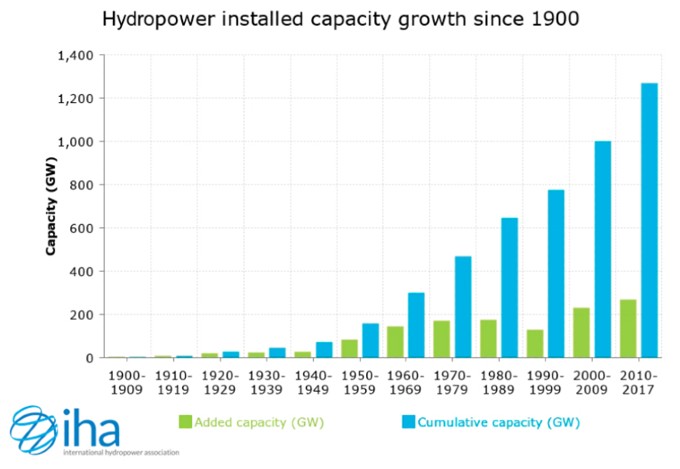
The hydropower boom, led by Brazil and China
When I started my career in the hydropower industry in 1995, I could feel the ongoing impact of the great hydropower boom that was led by Brazil and China through the 1970s and 1980s. In 1999, I was construction manager for Tucurui Dam, one of the biggest hydropower plants in Brazil and the world at that time (now ranked 8th in the world), delivering a total installed capacity of 8,240 MW. As part of my role, in order to raise production to the expected rates, I was able to visit China’s Three Gorges Dam during construction and learn about their techniques and massive concrete operations.
In the 1990s, Brazil’s hydropower industry had plenty of experienced professionals, from construction trading foremen and general superintendents to highly educated engineering professionals from whom I had the privilege to learn.
Since those glorious decades, global hydropower capacity has increased significantly. The strongest period was 2007 to 2016, when more than 30 GW was added per year on average. Since 2017, the industry has slumped to only 22 GW per year on average, with only 13.7 GW installed in 2023. However, it is interesting that of the new 13.7 GW, 6.5 GW was delivered as pumped hydro energy storage.
A new wave of pumped hydro
At a HydroVision International conference in Portland, Oregon, in 2019, I noticed that pumped hydro was a significant topic of discussion. The conference highlighted several factors making pumped hydro projects attractive for the clean energy transition: the ‘battery’ feature itself which helps to balance supply and demand, its contributions to grid stability, its lower environmental impact compared to conventional hydropower, the availability and efficiency of variable-speed units, and the cost comparison against other types of batteries.
Projections of a new wave of pumped storage soon evolved from conference coffee-break chatter to reality: in 2022, more than 10 GW of pumped hydro was delivered, the most ever achieved by the industry. Most of this has been delivered in China, where top-down policies imposed by government can deliver rapid results. Other countries operating on a more open-market basis need to improve the mechanisms to foster pumped hydro so that it can support the grid effectively as other variable renewable energy (VRE) sources, such as wind and solar, proliferate.
There is now consensus that pumped hydro is a necessity for grids to cope with increasing amounts of VRE– and the need is urgent. Pumped hydro, however, requires significant upfront investment in civil works and time to implement. Studies by the IHA indicate that besides the inherent need for additional pumped storage in the grid, the world’s conventional (non-pumped) hydropower installed capacity must double by 2050 in order to achieve net-zero transition targets. This will be challenging, given such a low level of new hydropower worldwide in recent years, and the fact that the most attractive sites have been already developed.
There is also opportunity to re-imagine existing conventional hydropower plants to make the most of their natural battery and firming potential – by operating flexibly to support firming VRE rather than generating for maximum volume. Even where there is no market mechanism to specifically monetise this value, it could be rewarded for national or regional outcomes.
How can we achieve the much-needed growth in conventional hydro and pumped hydro?
Conventional (non-pumped) hydropower has long been recognised for clean energy and the long life of the infrastructure. The challenge now is to identify, gain approvals and sustainably deliver new projects in a world where human occupation is growing fast and reaching into the most remote corners of watersheds. Governments and regulators must assess cost benefits against the social and environmental impacts before giving the green light to new hydropower projects.
Developing pumped hydro can be more flexible, especially when it is a closed-loop system that doesn’t depend on water flows, except for first-time filling and for topping up the losses caused by evaporation. Pumped hydro is not new – in fact, it has existed for more than a century. What is new, however, is the challenge of fostering pumped hydro development at the rate needed.
The IHA has helped clarify what is needed for the industry to develop pumped hydro faster. The IHA’s Guidance Note delivers recommendations to reduce risks and enhance certainty, supporting market players to better understand the issues.
Another interesting initiative in the hydropower journey is XFLEX Hydro, a European initiative which brought together 19 entities such as IHA, EDP, EDF, Alpiq, Bechtel and others, with the objective of increasing hydropower capabilities and flexibility to cope with changing grid profiles. X-Flex has launched 7 pilot projects already – and 4 of these are pumped hydro. This combined initiative has illustrated two important areas of focus that can benefit market players and accelerate uptake:
- The need for a supportive regulatory regime: Policy-makers and other stakeholders need to facilitate the development of regulations or market mechanisms that fairly compensate pumped hydro, as well as conventional hydropower, such as ‘price cap and floor’ mechanisms, compensation for stability features provided by hydropower, and expediting the approval process while ensuring that social and environmental impacts are minimised and mitigated.
- The advantages of evolving technologies, including:
- variable-speed units, increasing flexibility
- hydraulic short-circuit operation, in which the plant can pump and generate simultaneously
- hydro/battery hybrid system, in which the battery works along with hydropower and enhances plant flexibility
- digital/AI control platforms, which can improve the overall grid efficiency and reduce downtime.
Hydropower for a better future
The challenges of rapidly building out new conventional hydropower and pumped hydro are huge. Yet, where there is a will, there is a way. Those of us who understand and believe in the benefits of conventional hydropower and pumped hydro have a duty to bring communities along on the journey and to help build a better future for the next generations.
We look forward to bringing you more of Flavio’s insights into conventional hydropower and pumped hydro in future articles. Flavio is currently contributing to a number of Entura’s assignments including supervising construction on the Genex Kidston PHES project in Queensland, for which Entura is the Owner’s Engineer, and being a key adviser on the Tarraleah upgrade as part of Hydro Tasmania’s Battery of the Nation program.
Understanding the business risks of small dams and weirs
Small dams may pose significant business risks that are often under-appreciated, even if these dams don’t pose a safety risk to the community. Managing risk is a key part of running any sustainable business and understanding how to mitigate risks requires that they are properly identified, analysed and evaluated.
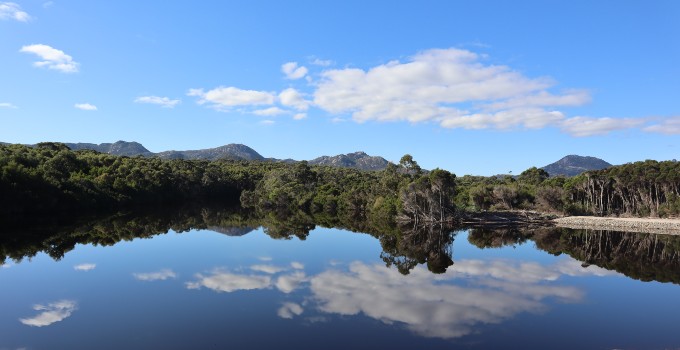
The Guidelines on Risk Assessment prepared by ANCOLD (Australian National Committee on Large Dams) provides a detailed process for quantitative analysis of dam safety risks for large high-consequence dams, but adopting this process for small dams and weirs can be costly and may not be clearly justifiable.
For owners of small dams, ANCOLD has a number of other guidelines that can be useful for managing these dams, including Guidelines on the Consequence Categories for Dams and Guidelines on Dam Safety Management. Assigning a consequence category for a small dam can be a useful first step in understanding the risks – and will consider the impacts on community safety, on the environment, on the dam owner’s business, and on other social factors including impacts on health, community and business dislocation, loss of employment and damage to recreational facilities and heritage.
The consequence categories are graded from ‘Low’ to ‘Extreme’. These categories are used for a number of purposes including:
- regulatory requirements (depending on which state the dam is in)
- recommended surveillance and monitoring activities
- maintenance and operational requirements
- spillway flood capacity
- dam design standards.
The focus of ANCOLD’s consequence category guidelines is on wider community safety and impacts, but not on the dam owner’s business. This potentially leaves the dam owner exposed to significant unidentified business risks. Ideally, these should be managed consistently alongside all the other business risks.
A structured approach to assessing the business risks of small dams
ANCOLD’s Guidelines on Risk Assessment is a useful starting point for undertaking a business-focused risk assessment of small dam assets. As with all risk assessments, it is useful to follow a structured approach, including the following steps:
- identify the hazards
- brainstorm the failure modes
- estimate the likelihood of the failure
- estimate the consequences of failure
- evaluate the risks
- develop risk mitigation measures.
Such a risk assessment approach is ideally completed with a dam engineer working closely with the business owner to capture both the dam engineering and the business-specific knowledge.
1. Hazards
Dams need to be properly designed, constructed and maintained to continue to perform their function safely. It is essential to avoid becoming complacent. Floods are a significant hazard to all dams and cause around 50% of all failures in large, well-engineered embankment dams. Small dams are often constructed with no or minimal engineering input into the design or construction and as a result may have inherent defects that may not manifest themselves until years later.
Dams in general do not require a lot of maintenance; however, a lack of suitable maintenance can lead to failures. A key maintenance activity is management of vegetation so that trees do not establish themselves in the embankment. Tree roots can create leakage paths that could lead to piping or internal erosion, and ultimately to a failure.
2. Failure modes
A key part of the expertise of a dams engineer is understanding how different types of dams can fail, which is crucial for identifying potential failure modes. The ANCOLD guidelines on risk assessment recommend completing a site inspection of the dam to help identify the key ways in which the dam could fail. The inspection should be conducted with the dam owner to look for evidence of failure modes, such as:
- deformation or cracking, which may indicate issues with the stability of the dam
- wet areas or flows through the dam, which may indicate a piping failure
- spillways where the original crest is filled in or raised to increase storage in the reservoir, which can often be an area of concern
- erosion close to the dam from operation of the spillway, which could lead to undermining and instability of the dam wall.
Typically, failure modes are identified in a workshop setting and then prioritised by criticality. The full list of failure modes is then reduced to a shortlist of those that are most critical.
3. Likelihood of failure
ANCOLD’s Guidelines on Risk Assessment provides an approach that can be used for detailed quantitative risk assessments; however, such approaches require significant effort to apply and can be costly. For small dams, it can be more appropriate to use a risk matrix approach, similar to that outlined in the Australian standard AS ISO 31000 Risk Management.
Typically, most businesses have a standard risk assessment procedure that can be adapted to give a qualitative or semi-qualitative assessment of likelihood. An experienced dams engineer will be able to assign a likelihood for each of the credible failure modes based on engineering judgement and some simple calculations (e.g. using regional flood estimates and estimates of the spillway discharge capacity). Failure modes for dams that are well designed and constructed will often have a likelihood rating of ‘Rare’ or ‘Unlikely’. The likelihood may be higher for dams in poor condition or with identified deficiencies.
4. Consequences of failure
A business risk assessment focuses on the consequences to the business, rather than the wider community, if the small dam were to fail. This will be unique to each business and will need input from the owner. It can be assessed by working through a series of questions about the need for the dam and its purpose – for example:
- What is the water in the dam used for? Can the business function without the water or the storage space in the dam?
- Are there alternative sources for the water that can be quickly accessed, and will these be sufficient for normal operations or would it be necessary to reduce operation?
- Is there business infrastructure downstream of the dam, and could a failure of the dam cause failure of these assets (e.g. pumping stations, water treatment plants or other dams) that would impact business operations? Can the business operate without these assets?
- How will customers be affected and what are the reputational consequences of not being able to supply or only partially supply?
- What are the financial implications for the business, and is there insurance that would cover the cost of the event, including consequential losses?
- How long would it take to replace the dam (including refilling) and the other assets?
5. Evaluation of risks
Using the business’s standard risk assessment tool enables comparison of the small dam risks against other business risks on a consistent basis (e.g. safety risks to employees). The level of risk will indicate the urgency of addressing the risk. This process allows a clearly articulated justification to be presented to the business for putting in place any required mitigations. It also enables the owner to focus on the key business risks rather than become distracted by issues with lower risk.
6. Risk mitigation
Mitigations can address either likelihood or consequences and will need to be tailored to the specific risks and the business needs. Addressing the risks by reducing the likelihood will typically involve physical works to the dam – for example, increasing the size of the spillway to reduce the likelihood of an overtopping failure, or managing vegetation to reduce the likelihood of a piping failure.
Where reducing the likelihood is not practical or not sufficient, addressing the consequences may be an effective approach. Addressing the consequences may involve options such as securing alternative water supplies, contingency planning to reduce impacts on customers, or insurance to cover the financial losses.
Bringing it all together for better business insights
Entura has undertaken qualitative and semi-qualitative small dam risk assessments for a number of clients in a cooperative environment to bring together our dams engineering expertise with the owner’s knowledge of their business. This is a cost-effective approach that has provided clarity on the specific business risks related to small dams, allowing targeted risk mitigation measures to be put in place. The process has provided important insights enabling owners to justify business decisions and reduce their overall business risk exposure.
If you have small dams and would like to talk with us about assessing your business risks, contact Phillip Ellerton or Richard Herweynen.
About the author
Paul Southcott is Entura’s Senior Principal – Dams and Headworks. Paul has an outstanding depth of knowledge and skill developed over more than 3 decades in the fields of civil and dam engineering. He is a highly respected dams specialist and was recognised as Tasmania’s Professional Engineer of the Year in Engineers Australia’s 2021 Engineering Excellence Awards. Paul has contributed to many major dam and hydropower projects in Australia and abroad, including Tasmania’s ‘Battery of the Nation’, the Tarraleah hydropower scheme, Snowy Hydro, and numerous programs of work for water utilities including SeqWater, Sun Water and SAWater. His expertise is a crucial part of Entura’s ongoing support for upgrade and safety works for Hydro Tasmania’s and TasWater’s extensive dams portfolios. Paul is passionate about furthering the engineering profession through knowledge sharing, and has supported many young and emerging engineers through training and mentoring.
The life cycle of a dam – Bringing it all together
Dams, like all of us, go through several life stages. Some dams have harder lives. Some age more quickly. Some need a lot of attention, and some are more robust. Let’s talk a bit about a dam’s life – and revisit some of our previous articles on dam engineering.
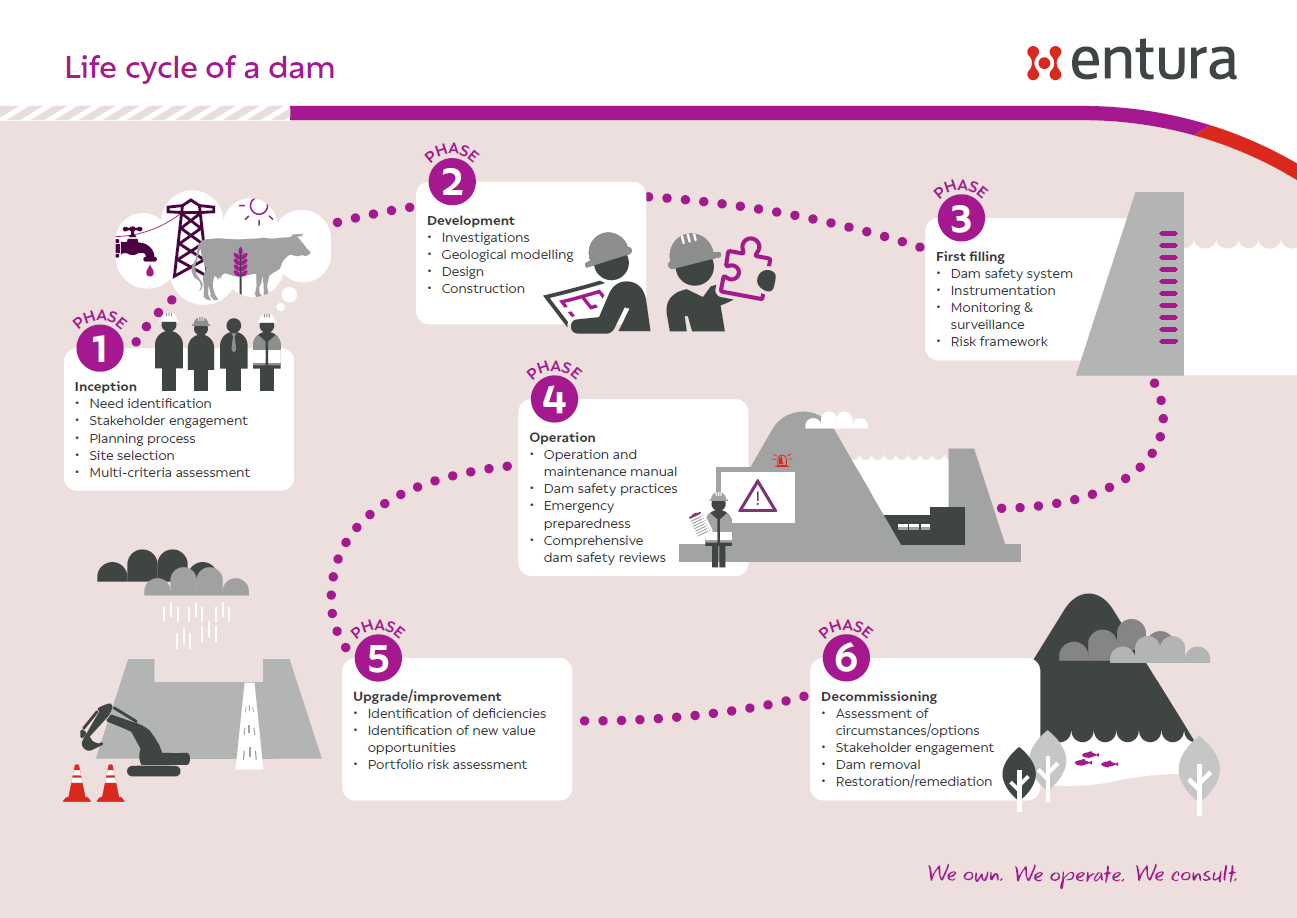
Phase 1: Inception
The starting point of the dam life cycle is the planning process – where a need is identified and it is determined that the way to meet that need is to create a water storage by constructing a dam. It is essential that this planning process involves effective stakeholder engagement. Although there may be a primary purpose for the dam, it is very common through the stakeholder engagement process to consider other benefits that the dam could provide, making it a multipurpose dam.
The planning process will lead to the site selection stage. Choosing a suitable site which is both technically sound and environmentally and socially acceptable will have a significant impact on the remaining stages of the dam’s life. Multi-criteria assessment can help get the selection right, ensuring technical, financial, environmental and social aspects are considered in a balanced way.
Read our articles:
- ‘No dams’ or ‘right dams’? That is the question
- Make better decisions about hydropower and dam project options using risk-based multi-criteria assessment
Phase 2: Development
The development phase includes the investigation, design and construction of the dam. Every dam site is different, and it is important to understand this. As a result, the ideal dam type for one location will not be the same as for another location.
Read our article:
It is important that the risks associated with the dam site are known and understood. A key risk is the geological aspects of the dam’s foundation. Are there defects that could impact the stability of the dam? Are the foundations erodible? Could permeability be an issue? A staged investigation program formulated around the geological model will help to provide this understanding.
Read our article:
Design must be in accordance with current practice, guided by engineering standards and guidelines such as ANCOLD guidelines and ICOLD bulletins. Construction needs to be in accordance with the design and should be conducted using an appropriate quality assurance system and quality control program. An Independent Technical Review Panel (ITRP) helps avoid anything falling through the cracks. (The Queensland Dam Safety Management Guideline provides some guidance about this.) An ITRP will provide strong technical governance during design and construction, utilising the collective knowledge and experience of its members.
Read our article:
Phase 3: First filling
The next phase of the dam’s life is the first filling. This is a very exciting time, but it is also known to be the highest risk stage of a dam’s life. As a result, we need to be prepared. A dam safety system needs to be in place, along with the necessary instrumentation to monitor the dam during this first fill.
Read our articles:
In case of any incident occurring during first filling, it’s crucial that the dam safety emergency plan has been prepared and the dam safety manager identified. As the dam fills, there should be a heightened level of monitoring and surveillance, using this information to compare the actual performance against what was expected.
Entura has used a risk framework to determine a dam’s readiness to impound, such as for Murum Dam in Malaysia. Of course, some reservoirs take a long time to fill, potentially over a number of years, so this heightened level of monitoring and surveillance could go on for some time. There could also be saddle dams that experience water against them much later than the main dam.
Phase 4: Operation
Now begins what, hopefully, will be a long phase of normal operation. The dam will have an operation and maintenance manual to ensure that the dam is operated as intended and regular routines occur. Good dam safety practices must continue throughout the operational life, including dam surveillance, routine inspections, and ongoing emergency preparedness should any dam safety incidents, major floods or seismic events occur. Emergency plans should be tested regularly to ensure they are appropriate and robust.
Read our articles:
- What can dam owners do to better manage floods and avoid the blame game?
- How robust is your emergency preparedness?
- Planning for the future – the challenges of dam inspection and maintenance
During the operational phase of a dam, it is also important that comprehensive dam safety reviews (DSRs) occur every 20 years, or whenever there has been a major event or a change in standards or guidelines. The intent of a DSR is to determine the safety of the dam against current practice and the current condition of the dam. It’s important that the DSR considers the potential failure modes for the dam.
To undertake a DSR, good historical documentation for the dam will be needed. If the records aren’t great, or there are significant gaps, the DSR may require additional investigations and analysis to be undertaken.
Read our article:
In addition, it is critical that the public is kept safe around dams and throughout the operation of dams. In 2012 ICOLD established a working committee to identify these public safety risks, describe the international state of practice to manage and mitigate the risks, and develop a guidance bulletin on best-practice measures and public education about safety around dams.
Read our article:
Phase 5: Upgrade and improvement
If the DSR identifies deficiencies in the dam, a dam safety upgrade may be needed. This is the next stage of a dam’s life. A risk framework can often be used to justify and guide these upgrades.
Read our article:
Dam upgrades may not always be due to a dam safety issue; they may also be driven by the opportunity to increase value, which may be able to be achieved through measures such as raising the height of the dam. They can also be driven by changing design standards, changes to legislation, greater understanding about extreme hazards, or (more recently) climate change impacts.
Read our article:
With a large portfolio of dams, the demand on resources (both capital and human) can be significant. A portfolio risk assessment (PRA) allows owners of dams and other water assets to see the bigger picture of how to prioritise their efforts and resources to achieve the best safety results across the whole portfolio.
Read our articles:
- Portfolio risk assessment takes dam safety programs to the next level
- Safer dams are a matter of priority
Phase 6: Decommissioning
This final phase of a dam’s life may actually never occur, as most dams continue to provide a valuable service to society indefinitely. But, with time, the needs of the community may change, or the commercial benefits of the dam may reduce. In these circumstances, the dam may be decommissioned and removed. This decision is not likely to be made quickly, and for good reason, as this is a very complex matter involving many stakeholders. A recent example is the landmark decision to remove 4 dams along the Klamath River in northern California and southern Oregon. This is the most extensive dam removal and river restoration project in US history.
Although some dams may at some stage be decommissioned and removed, more dams will always be needed to meet the world’s needs for water security, clean energy, and storage of mining tailings.
Read our articles:
And so the life cycle begins, all over again.
Reflections from the global stage
As the industry evolves to meet the challenges of aging infrastructure and the transition to clean energy, staying connected to international best practices is more important than ever. Participation in the International Commission on Large Dams (ICOLD) provides a unique vantage point on how these global trends are shaping the future of dams.
Read our articles:
- New technologies are important tools, but they need to be used properly
- ‘Dams for People, Water, Environment and Development’ – some reflections from ICOLD 2024
From binoculars and boots to bytes and bots: harnessing remote sensing and AI for ecological monitoring
For power and water developments to be truly sustainable, we must preserve and protect biodiversity. But it can be difficult to look after what you don’t know about or don’t understand. In the age of Big Data, automation, AI and increasingly clever gadgets, field ecologists can now do more with less – in other words, get lots of good information very quickly and with far less cost. That’s good for projects and for our planet.
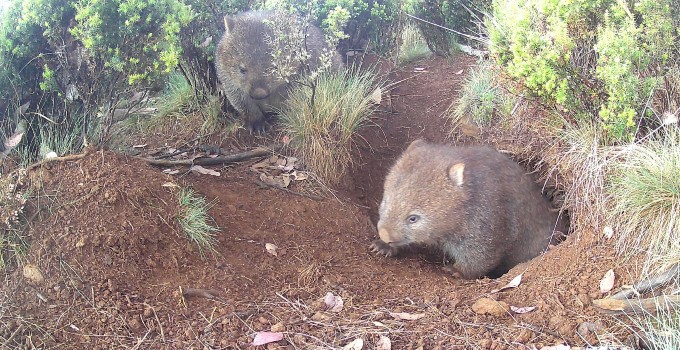
Field ecologists spend much of our time gathering information on species occurrence, distribution, abundance, habitat requirements, and threats. We need methods to detect and quantify biodiversity that are efficient and sensitive, and not biased, invasive or destructive.
Our job increasingly involves leveraging the advances in monitoring technology, computing power, and machine-learning methods to help our clients assess, avoid, mitigate or offset environmental impacts. Vast amounts of visual, spatial, genetic and acoustic information can now be captured using new tools such as ‘camera traps’, automated image classifiers, passive acoustic monitoring, automated species detection from audio data, and eDNA.
Camera trapping
Camera trap monitoring (using digital cameras activated by motion or heat) is a powerful tool for observing and cataloguing species, but it can generate enormous numbers of images. Each image needs to be viewed and tagged to create meaningful data. Until now, that’s taken up a lot of human time. Now, however, machine-learning models can automate the process of detecting and classifying animals.
For example, the ‘MegaDetector’ is an open-source image-segmentation tool from Google that can automatically place a bounding box around a region of interest in the environment, in this case zooming in on an animal and isolating it from the background. This can be put into a wildlife-species classifier before verification by a human, raising the accuracy of classifying some species to up to 99% and increasing the speed at least 20-fold – in fact, it is estimated that approximately 5,000 images can be tagged per hour using these workflows.
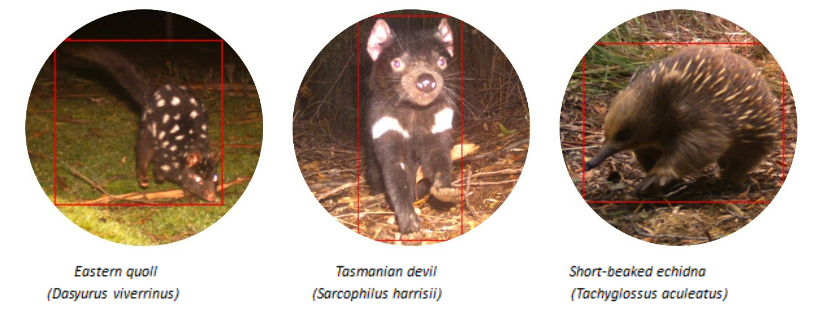
Examples of camera trap images with the MegaDetector bounding box applied
As well as detecting rare, cryptic and elusive native species, camera trapping can also detect and help to quantify the threat posed by introduced animals. Technology has even been developed that enables humane, automated feral cat and fox control: the ‘Felixer’ device uses rangefinder sensors to distinguish target cats and foxes from non-target wildlife and humans. Felixers can even be programmed to play a variety of audio lures to attract feral cats and foxes. The targets are detected via a camera-based AI system working in tandem with four LiDARs. These devices are operating in all Australian states and territories, protecting threatened species including bilbies, bettongs, rock wallabies, quolls, malleefowl, ground parrots, numbats and rare dunnarts and rodents.
Passive acoustic monitoring
Another recent advance that is revolutionising species detection is passive acoustic monitoring. In Tasmania, the endangered, cryptic, poorly understood Tasmanian masked owl (Tyto novaehollandiae castanops) has traditionally been detected through ‘call-playback surveys’ – experts listening for owl vocalisations in response to broadcasting recorded owl calls – but some owls just won’t play the game! Passive acoustic monitoring is a more effective method for detecting these birds, with recorders deployed and set to record from dusk until dawn. Software has been developed to graph the recorded sounds as spectrograms and then automatically detect this species’ persistent screech calls and even chattering calls. Work is underway to differentiate between adult and juvenile calls, which will help identify nearby roosting and nesting sites. With robust bioacoustic recorders and partial automation of analysis, we can detect this elusive species and identify critically important nesting sites more accurately, rapidly and at less cost. The technology can also be used to detect other species with distinctive vocalisations.
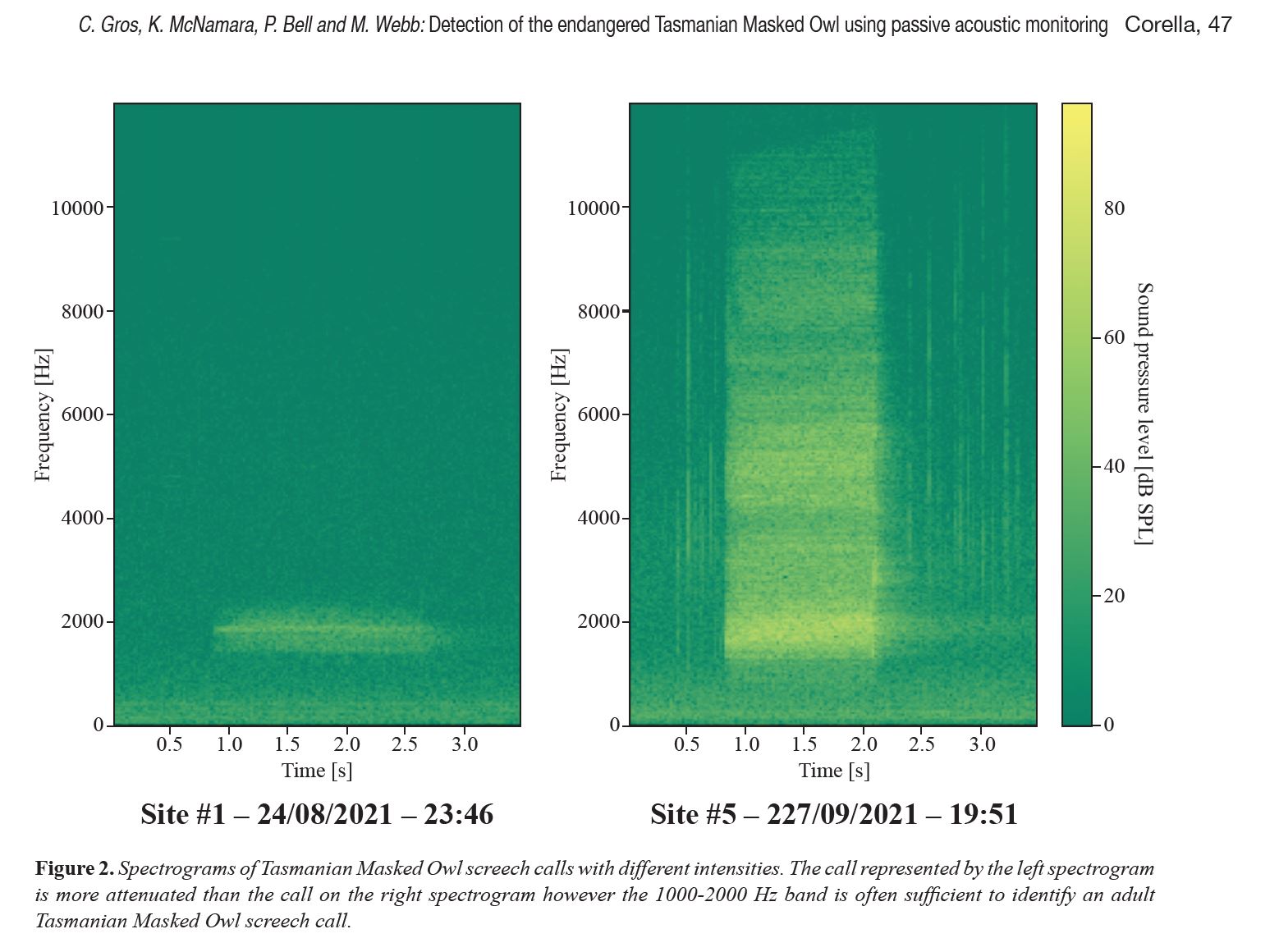
Screeching calls of an adult Tasmanian masked owl can be heard in the audio above
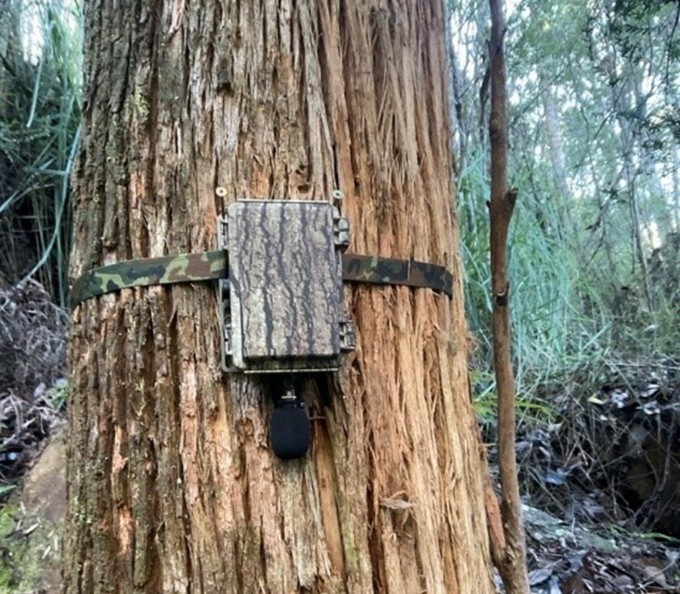
Wildlife Acoustics Song Meter SM4 deployed by Entura ecologists in north-west Tasmania, within a patch of tall eucalypt forest assessed to be potentially suitable nesting habitat for Tasmanian masked owls
eDNA, barcoding and metabarcoding
Increasingly rapid and relatively cheap DNA sequencing techniques are also transforming biodiversity research. Environmental DNA (eDNA) is genetic material from the hair, skin, urine, faeces, gametes or carcasses of organisms that can be found in the environment. This eDNA data can be interpreted through ‘barcoding’, which uses species-specific tools to detect the DNA fragments of a single species within an environmental sample, as well as ‘metabarcoding’, which can simultaneously detect millions of DNA fragments from the widest possible range of species. eDNA barcoding is particularly useful for detecting invasive, rare and cryptic species in places that are otherwise difficult to survey.
What’s next?
Fauna survey methodologies are evolving fast. Soon we’re likely to see continuous, automated wildlife detection and species identification, with solar-powered detection units (camera traps, bioacoustic recorders, etc.) autonomously uploading data to the cloud. This could produce high-resolution activity maps that update in real time and at large scale. Systems that can compute and upload data autonomously and are self-sufficient in energy will allow us to obtain accurate and extensive information from almost anywhere, anytime.
So, are clever bots and gizmos going to take our jobs? Will we never head out into the field with our binoculars again? Not quite yet (happily!), but with increasingly robust hardware, modern computing power and machine-learning, we can do more for our clients and our planet, and that’s a great win–win for us all.
If you’d like to talk with Entura about our ecological monitoring services, contact Raymond Brereton.
About the author
Dr Carley Fuller is an Environmental Consultant at Entura. She is an ecologist with expertise in environmental impact assessments for renewable energy projects including solar, wind, hydropower, hybrid, and transmission infrastructure developments. She has a decade of experience working in multiple Australian jurisdictions and internationally in the United States, Latin America, and the Pacific as both a research scientist and consultant. Carley has a strong technical background in plant science, land-use planning, GIS and natural values assessment and completed her PhD in conservation science at the University of Tasmania. She is passionate about leveraging environmental data to provide tailored decision support for a range of stakeholders.
MORE THOUGHT LEADERSHIP ARTICLES
Understanding the challenges of medium-sized power systems
Power systems in the range of 200–500 MW face unique challenges, including how to incorporate increasing amounts of intermittent inverter-based renewable energy, such as solar PV and wind generation. What are these challenges, and how can they be solved?
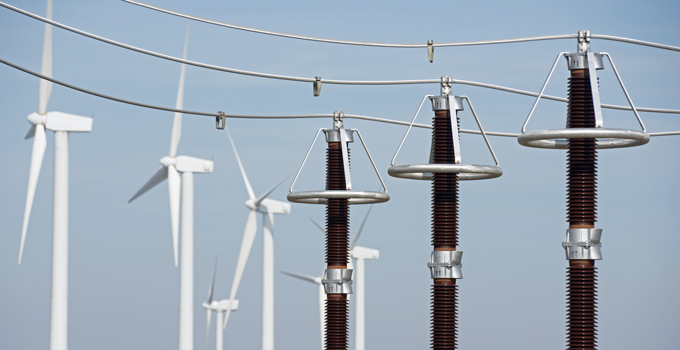
Large power systems, like the interconnected grid of the eastern Australian states, are well-understood. These systems have extensive engineering support and sophisticated models to handle renewable energy integration, with network-wide inverter-based renewables (IBR) penetrations ranging from 25–50% and local penetrations up to approximately 115%. Similarly, small power systems, such as those up to 30 MW found in remote mining sites, also manage high IBR penetrations, sometimes reaching 100%.
However, power systems in the range of 200–500 MW face unique challenges. We call these systems ‘anti-Goldilocks’ power systems. Stemming from the children’s story of ‘Goldilocks and the Three Bears’, Goldilocks has come to mean something neither too big nor too small, neither too complex nor too simple – in other words, ‘just right’. An anti-Goldilocks system, on the contrary, has an uncomfortable combination of both large and small system challenges without the solutions available to a large system operator.
Examples of anti-Goldilocks (AG) power systems in Australia and the Pacific include:
- Fiji power system
- New Caledonia
- French Polynesia (Tahiti)
- Guam
- PNG (Port Moresby)
- Darwin Katherine interconnected power system
- North-west minerals power system (Mt Isa and surrounds)
- Western Australian north-west interconnected system
- the Tasmanian power system during low demand.
Common challenges in AG power systems
AG power systems share characteristics that make managing high IBR penetration both inevitable and challenging.
- 1. Geographical distribution and stability
In small power systems, all generation sources are often close together, ensuring good transient stability. Large systems benefit from high interconnection levels that couple machine inertias effectively. AG power systems, however, are geographically spread out without these stabilising features, leading to difficult transient stability conditions.
- 2. Environmental conditions and storage
Small systems can install enough battery energy storage (BESS) to manage fluctuations in renewable energy sources. Large systems distribute IBR across vast areas, minimising localised impacts from wind and irradiance. AG systems, however, typically have most IBR within a 100 km radius, which means that similar environmental conditions can affect all IBR at once, potentially causing sudden shortfalls in generation.
- 3. Rapid changes in IBR penetration
AG power systems often have high electricity costs and small sizes relative to each IBR station. This makes renewable generation very attractive financially, and a single IBR connection can immediately cause significant penetration increases, potentially reaching 80%+ quickly and catching network operators off guard.
- 4. Responsibility for quality and ancillary services
Because small systems typically have just one generator and one consumer, they tend to have straightforward responsibility allocation for the quality of supply and ancillary services. Large systems are either government-owned or regulated with established market mechanisms for these services. AG systems may lack these structures, often having multiple generating companies and consumers, complicating the provision and funding of necessary services.
- 5. Modelling and planning
Large systems have developed accurate models over many years. Small systems manage with less detailed models because most errors don’t significantly impact overall accuracy. AG systems typically have poor models. The requirement for greater accuracy is only a recent phenomenon, but a greater level of accuracy has been difficult to achieve due to the lack of collaboration between customers and generators, a lack of necessary modelling skills, and a reluctance to see modelling as core business.
Transitioning to inverter-based renewables: four horizons
Successful operation during the transition to IBR involves navigating 4 distinct horizons:
- H1: conventional dominance
The network is dominated by traditional plants with control based on speed and voltage droop. The system can manage almost indefinitely without wide area controls during disturbances.
- H2: high IBR penetration (60%)
There is a high level of IBR penetration, say 60%. While the distributed versus wide area control issues don’t change significantly, prolonged outages of wide area control cannot be tolerated. Systems should operate without human intervention for at least 20 minutes during such failures.
- H3: minimal rotating machines
There are periods with only one large rotating machine. Planners should ensure the system can operate for 20 minutes without human intervention if this generator fails.
- H4: full IBR operation
The system operates with 100% IBR and should be designed to manage without human intervention for 20 minutes during wide area control outages.
Solutions and optimisations
AG power systems face significant but solvable challenges as IBR connections increase. While installing sufficient battery capacity and running rotating plants at low output or adding synchronous condensers can help, these solutions can be costly. Therefore, optimising solutions to minimise additional costs is essential.
Entura has worked on most of the AG power systems listed above and we have found that batteries, while helpful, are only one part of the solution. Effective rules and regulations that allocate risks and responsibilities appropriately, along with a causer-pays mentality and prudent risk acceptance, lead to the more cost-effective technical solutions.
To discuss how Entura can help you ensure the safety of your electrical assets, contact David Wilkey or Patrick Pease.
About the author
David Wilkey is the Senior Principal, Grid & Power, at Entura. David has more than 25 years’ consulting experience across a wide range of electrical engineering projects, including power system studies, power system and generator protection, generator connection rules, and primary plant electrical engineering. David’s primary interests include all aspects of electrical engineering for hydropower projects, such as hydro turbine governors, generator excitation and generator protection systems.
MORE THOUGHT LEADERSHIP ARTICLES
Bifacial solar PV: shining light on all the angles
In the booming global solar industry, installation of bifacial panels has been rapidly overtaking conventional monofacial modules, particularly in utility-scale projects but increasingly at smaller scales (<5 MW) too. But are they the right technical investment for your solar project – and what do you need to consider?
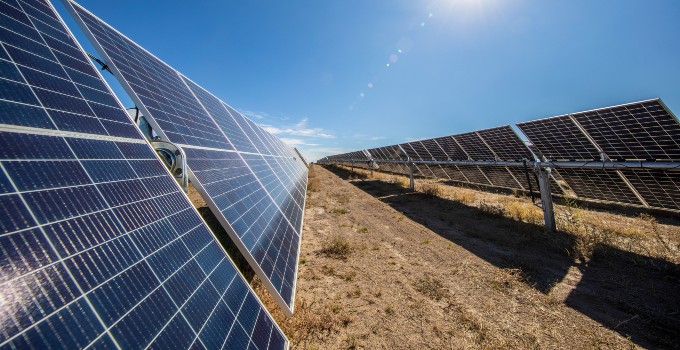
We recommend getting to grips with the benefits, constraints and implications of bifacial modules as early in the development cycle of a project as possible. Here are some observations to get you started.
What are the advantages of bifacial solar PV?
Bifacial solar PV modules are solar panels capable of generating electric current from both sides of the panel, as opposed to monofacial panels, which generate from one side only. Sunlight can pass through a transparent top layer and be absorbed by the solar cells, while sunlight reflected off surfaces can be captured through the transparent bottom layer, increasing the overall power output and potential energy yield.
The advantages of bifacial solar modules include:
- enhanced energy yields (typically 5% and can be up to 10% when optimised at particular sites) with only minor differences in supply cost
- lower levelised cost of energy (LCOE) with greater return on investment (ROI)
- increased duration of maximised power export
- enhanced performance in diffuse light conditions, such as when it is cloudy, which can be beneficial for the stability of hybrid power systems
- greater power density achieved in space-constrained sites
- better end-of-life outcomes, as glass is more readily recyclable than plastic polymers used for the backsheet of monofacial modules
- some manufacturers also claim improved durability and longevity of panels due to double glass construction rather than the glass and polymer backsheet of monofacial modules. This is claimed to be more resistant to environmental factors such as moisture, humidity and fluctuations in temperature. It has also been anecdotally suggested that the glass backface increases protection from water ingress and resistance to corrosion.
Are there any potential downsides?
Bifacial modules typically have a front-side glass thickness of 2 mm with 2 mm on the rear side, compared to monofacial modules which have 4 mm on the front side only. This can increase susceptibility to hail damage, which may require further mitigation measures in hail-prone areas and could increase the cost of insurance.
What’s albedo and why does it matter?
The more reflective a site, the better its prospects for gaining the bifacial edge. Generally, there is a linear correlation between the ground reflectance conditions (albedo) at the site and the power gain from the backside of the bifacial panels. Albedo is also the single largest factor driving bifacial gain.
But a site’s ground conditions will change over time, so one of the most important considerations when calculating the possible benefits of deploying bifacial over monofacial solar modules is determining what the long-term average albedo is at the site. Many factors can play a part in the way the albedo is modelled – including the intended use of the site once the solar plant is built, revegetation strategies, grazing livestock, the frequency of droughts and flooding events, precipitation volume and water pooling, how green the grass is, and the colour of the earth. The highest albedo factors and bifacial gain will be in conditions such as frost or snow, with its high level of reflectance. The lowest albedo factors are achieved on surfaces such as dry asphalt or grasslands.
Is more height a good thing?
Another major factor driving bifacial power is the height of the installation. Bifacial power gain increases with installation height as a greater angle is available for reflection of direct and diffuse irradiation to the rear side of the modules. This gain is most prominent typically between the installation heights of 0.5 and 1 metre before levelling out above 2 metres. In areas prone to flooding, higher installation may also provide extra resilience to increasing weather extremes.
An important consideration here, however, is that although higher installation may increase energy yield and financial returns, there may be considerable additional capital costs and greater complexity of construction of the mounting infrastructure, particularly for longer piles.
What’s the right ground cover ratio?
When the percentage of area covered by PV modules increases, the bifacial gains decrease. If more ground is covered, more area is shaded, and there will be less reflection to the rear side of PV modules. Often there is an incentive for developers to maximise the solar DC power capacity of a given site to avoid costly additional land agreements and minimise the project footprint. However, this can result in a high ground cover ratio (GCR) which can cause shading between rows. This increase in ground shading reduces backside power and energy yield gains (although it can sometimes be mitigated by the ‘backtracking’ capability of single-axis trackers).
Recently, we have been seeing developers take a more conservative approach with this in mind, preferring a GCR below or approaching 0.30.
What about shade from the mounting structure and cables?
Increasingly, manufacturers of mounting structures are looking towards maintaining structural integrity of their equipment while also minimising shading. String cabling can also be a cause of rear shading, so they should be fixed underneath the torque tubes of single-axis trackers (SAT) or underneath the mounting structure supports to minimise any impact. We are noticing an increasing focus on consistency of construction in this regard and the inclusion of this check on installation test certificates as minor shading on one module has the cascading effects of derating the entire string of modules.
Could spikes fry the electricals?
Although asset owners are most interested in the potential for greater energy yield from bifacial modules, it is necessary to also assess the electrical maximum power point voltage and current limits caused by spikes during high irradiance events. These spikes can be caused by a range of environmental factors which may be specific to sites. These include early morning frost at low temperatures, increasing sunlight irradiance at the edge of lensing clouds (magnifying glass effect), snowfall or flooding/water pooling.
In some areas which experience high ground albedo in conjunction with technical designs for favourable backside power gain, the maximum instantaneous bifacial gain can be as much as 15 to 25% for some Australian contexts, which can impact the allowable number of modules in a string as well as the input parameters to combiner boxes, inverters and cables throughout a project.
What’s next under the sun?
Solar is an exciting sector of rapid, continuous innovation, so there will no doubt be ongoing technological evolution with new implications and applications to explore. Regardless of whether bifacial panels are right for your project at this stage, it’s worthwhile considering all the options that might work best for your site. In the transition to net zero, every solar installation has a crucial role to play. The better the yield and value that can be achieved from a solar project, so much the better for the developer, the community, our environment and the future.
If you need support to assess energy yield, design, and technical considerations for your solar project, please contact our business development managers, Patrick Pease (Australia) or Shekhar Prince (international).
About the author
Lachlan McKenna is a renewable energy engineer in Entura’s renewables development team. He works on solar, wind and BESS projects from concept and design through to operations and repowering in locations throughout Australia and the Indo-Pacific region. Prior to working for Entura, Lachlan gained experience in the commercial and industrial rooftop solar sector and European offshore wind industries.
See our previous articles on how to achieve solar success:
Changing the climate future
The future isn’t what it used to be. The future we now expect is one of even more intense rainfall. What can we do about it?
In Australia, there is now expected to be a 41–88 % increase in intense rainfall assuming a fossil-fuel development emission scenario by 2090, working from a 1961–90 climate base. In Tasmania, our previous vision of 2090 was an expected intense rainfall increase of only 16.3 %. So the future is looking different, with more intense rainfall. New projections are making the present and near future look different too. We now understand that there will be a 16 % increase to the current climate (2021–40) for 3-hour-duration rainstorms (since the 1961–90 period). In other words, the ‘old future’ is now and the ‘new future’ is different from what we thought.
In December 2023, draft changes to the Australian Rainfall and Runoff (ARR) climate change advice were released, changing many of our projections. Between the 1961–90 rainfall data used to calculate the intensity-frequency-duration of most rainstorms and the ‘current’ climate (2021–40), there is expected to be a 1.3 °C rise in global temperature (noting that this comes on top of the already 0.3 °C increase in global temperature from the 1850–1900 pre-industrial period to 1961–90). So for a fossil-fuel development emissions scenario (SSP5–8.5, Meinshausen et al 2020), what we previously projected for intense rainfall by 2090 is now our projection for some storms in the ‘current’ climate (2021–40).
If the ‘old future’ is our new reality, what could the actual future be?
As of March 2024, the future is projected to be hotter than previously expected, and intense rainfall is expected to increase proportionally more for every degree of temperature rise. There could be a small increase in catchment losses, but these are expected to be overwhelmed by the increases in intense rainfall. There is also a better understanding of the uncertainty in the modelled projections.
An example in Tasmania
In Tasmania, water is fundamental for the environment and community, and the importance of our understanding of water is heightened by our reliance on hydropower for the bulk of our electricity. However, the climate changes discussed here are less about longer term water and energy yields than about the intense rainfall associated with flooding.
For Tasmania:
- Prior to the draft December 2023 ARR advice on climate change (Engineers Australia, 2023), with the SSP5 emission scenario with 8.5 W/m² radiative forcing there was projected to be a 16.3 % increase for all rainfall durations by 2090. The December 2023 draft advice for this scenario is that by 2090 the increase in intense rainfall is expected to be 41–88 % over the 1961–90 climate base (that is, the data you can get from the Bureau of Meteorology as the 2016 intensity-frequency-duration rainfall data). This means 41 % for 24-hour and longer duration rain storms, and up to 88 % for durations of 1 hour and shorter. These apply across Australia for rarities from an exceedance per year to the probable maximum precipitation event. There are several papers on the subject, for example Visser et al (2022) and Wasko et al (2024).
- For 1 hour and shorter duration storms, which are important for drainage from building roofs and for most town local stormwater systems, the current period (2021–40) has a 20 % increase in intense rainfall over the climate base (1961–90). This means that all designs made over the last few years using a 20 % increase in rainfall to allow for a future climate will still work as expected for the time being. But after about 2040, these designs are unlikely to perform as expected.
- For 3-hour-duration storms there is expected to be a 16 % increase over the climate base (1961–90) for the 1.3 °C rise in temperature to the ‘current’ period (2021–40). This means that what we thought would only happen in the more distant future is expected to be occurring now. The reasons we say this is ‘expected’ is that we won’t know for sure until we look back on this period with hindsight.
- For the 24 hour and longer durations, the current period (2021–40) has an 11 % increase in intense rainfall over the 1961–1990 climate base. With the non-linear relationship between rainfall and runoff, the increase in peak stream flood flow is expected to be higher than 11 % for most larger rivers, such as those that flow to our dams.
Impacts on decision-making and design
Following the Sixth Assessment Report in 2023 (AR6) by the United Nation’s Intergovernmental Panel on Climate Change (IPCC) (https://www.ipcc.ch/assessment-report/ar6/), and anticipating the next one due around 2029 – and with science and engineering understanding increasing all the time – it’s likely that our projections of the future scenarios and understanding of the past will continue to evolve. Obviously, infrastructure that’s built stays built, but can be augmented. Standards and methods can’t change every year for practical reasons, but those of us impacted by climate and water are wise to remain up to date and always use the most contemporary knowledge. Asset owners, regulators, consultants and the community need to pay attention as the climate changes.
When the goal posts shift, we need to take stock of previous advice provided with old rainfall data, and consider how to include current rainfall data in new advice. As we go forward, we also need to be more careful in our language about how we reference the past, current and future.
When making decisions for infrastructure that will last at least 100 years and take 5 to 20 years to plan, design and build, such as sizing dam spillways, a range of risk mitigation strategies are required for managing an uncertain future (for example https://entura.com.au/designing-dams-for-an-uncertain-climate-future/). When reviewing the performance of existing systems, defining the ‘current climate’ is important. Climate change isn’t something just for future scenarios – we’re living it now.
Strategies to support better climate-related decision-making include:
- using the current best knowledge
- understanding data and model uncertainty
- understanding natural climate variability on seasonal to decadal time scales
- understanding that future climate scenarios are all possible
- applying sensitivity analysis
- using multi-criteria assessment
- using staging strategies
- providing options in design for changing levels of service.
If, for example, we were designing a new building to be built soon near a watercourse, all the following approaches could be considered:
- Design the level of the earthworks and finished hardstand levels to meet the level of service in the ‘current’ climate (e.g. 2021–40), considering a freeboard over the raw modelled river levels to account for uncertainty in any modelled results.
- Make allowances in the construction to address future climate scenarios (e.g. SSP5 2090) and build now only what’s prudent.
- Allow space for a future flood wall and its footings, potentially building the footings now if integrated into the current site works.
- Consider space for future flood gates on site entry, and consider their storage and other requirements that are best allowed for in the current construction (such as communication and power conduits under hardstand areas, and space in control rooms).
- If a flood wall is not desirable or if construction access for building a flood wall is not going to be practical in the future once the site is developed, it may be better to lift the site levels or build the flood wall as part of the current works.
Uncertainty has always been part of engineering design, as has making decisions with imperfect knowledge. Climate systems in particular are subject to a wide range of natural variability over a wide range of times scales. What’s different now is that the future is more obviously uncertain and changing more rapidly. For example, where once we could use rainfall tables in textbooks for decades, now it seems that every few years there are new projections from the IPCC about large or small changes in our understanding. It’s a dynamic time for making decisions. But this isn’t all bad news.
Looking forward
If you’re planning an improvement project and the future is expected to bring larger floods, your return on investment may be quicker than expected. With the expected increases to rare rainfall intensities and the increasing uncertainty, there should be more confidence in investing in solutions to improve the performance of surface water infrastructure. In the same way, you’ll get a faster return on your investment in improving your engineering skills related to climate, hydrology and hydraulics of surface water systems and associated infrastructure design.
While considering the worst, we hope for the best. The fossil-fuel development emission scenario (SSP5) is based on us continuing the polluting hydrocarbon-based developments of the past. Entura is actively supporting our clients to pursue low emissions developments and more renewable energy for a better future. A best-case scenario is shown in the diagram below as SSP1 (called the sustainability scenario). In this scenario, with 2.6 W/m² radiative forcing, the projection for 2090 would be an increase of 1.7 °C in global temperature over the 1961–90 climate, and only a 14–27 % increase in intense rainfall (for 24 hour and longer to 1 hour and shorter durations respectively).
To prevent the extreme global temperatures projected to arise from polluting the atmosphere, it’s up to all of us to keep changing for a better future.
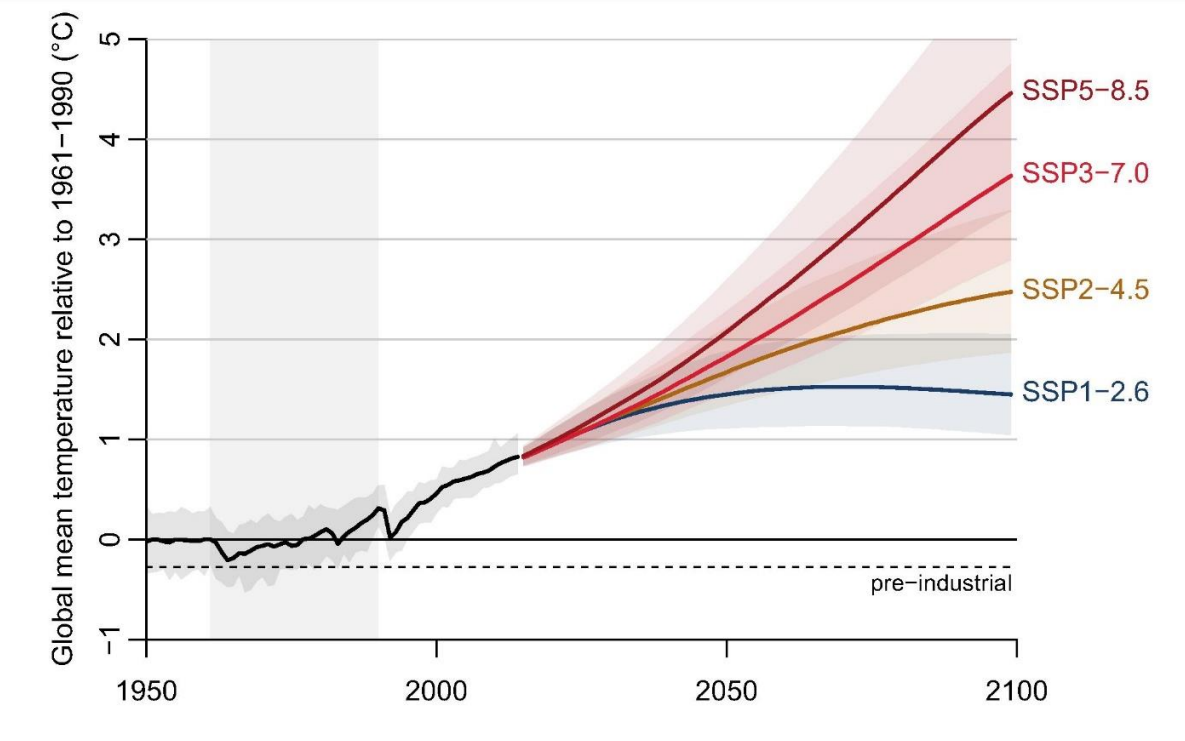
Figure of projected temperature increases associated with AR6 shared socioeconomic pathways relative to 1961–90 (shaded in grey) and their associated uncertainty (Engineers Australia, 2023)
References
Engineers Australia (2023) Update to the Climate Change Considerations chapter in Australia Rainfall and Runoff, Department of Climate Change, Energy, the Environment and Water https://storage.googleapis.com/files-au-climate/climate-au/p/prj2aec7b7ec59ab390bffc6/public_assets/Draft%20update%20to%20the%20Climate%20Change%20Considerations%20chapter.pdf.
Meinshausen et al. (2020). The shared socio-economic pathway (SSP) greenhouse gas concentrations and their extensions to 2500. Geoscientific Model Development, 13(8), 3571–3605. https://doi.org/10.5194/gmd-13-3571-2020.
Visser, Kim, Wasko, Nathan and Sharma (2022), The Impact of Climate Change on Operational Probable Maximum Precipitation Estimates, Water Resources Research, https://doi.org/10.1029/2022WR032247.
Wasko, Westra, Nathan, Pepler, Raupach, Dowdy, Johnson, Ho, McInnes, Jakob, Evans, Villarini and Fowler (2024), A systematic review of climate change science relevant to Australian design flood estimation, Hydrology and Earth System Sciences, https://doi.org/10.5194/hess-28-1251-2024.
If you’d like to talk with Entura about your water project, contact Phillip Ellerton.
About the author
Dr Colin Terry is a civil engineer at Entura with three decades of experience in Australia and New Zealand. His experience includes modelling, planning, design and construction support. He has worked on multidisciplinary projects across various parts of the water cycle including catchment management, water supply, hydropower, land development, transport, and water quality in natural systems – with a focus on surface and piped water.
MORE THOUGHT LEADERSHIP ARTICLES
Ten tips for developing your engineering career
From Baby Boomers to Gen Alpha, the generation names and characteristics come and go – but despite the changing working styles and preferences of older and younger engineers, some things stay the same. Developing good engineers still calls for many elements that have shaped countless careers over time: people who were willing to share their knowledge and experience, opportunities to develop and refine the engineering craft, and mentors to support us, believe in us and help us make the next step.
I’ve been reflecting on these dynamics at this senior point in my 34-year career – and I’d like to share some tips to help set younger engineers on a path towards achieving a satisfying, successful career.
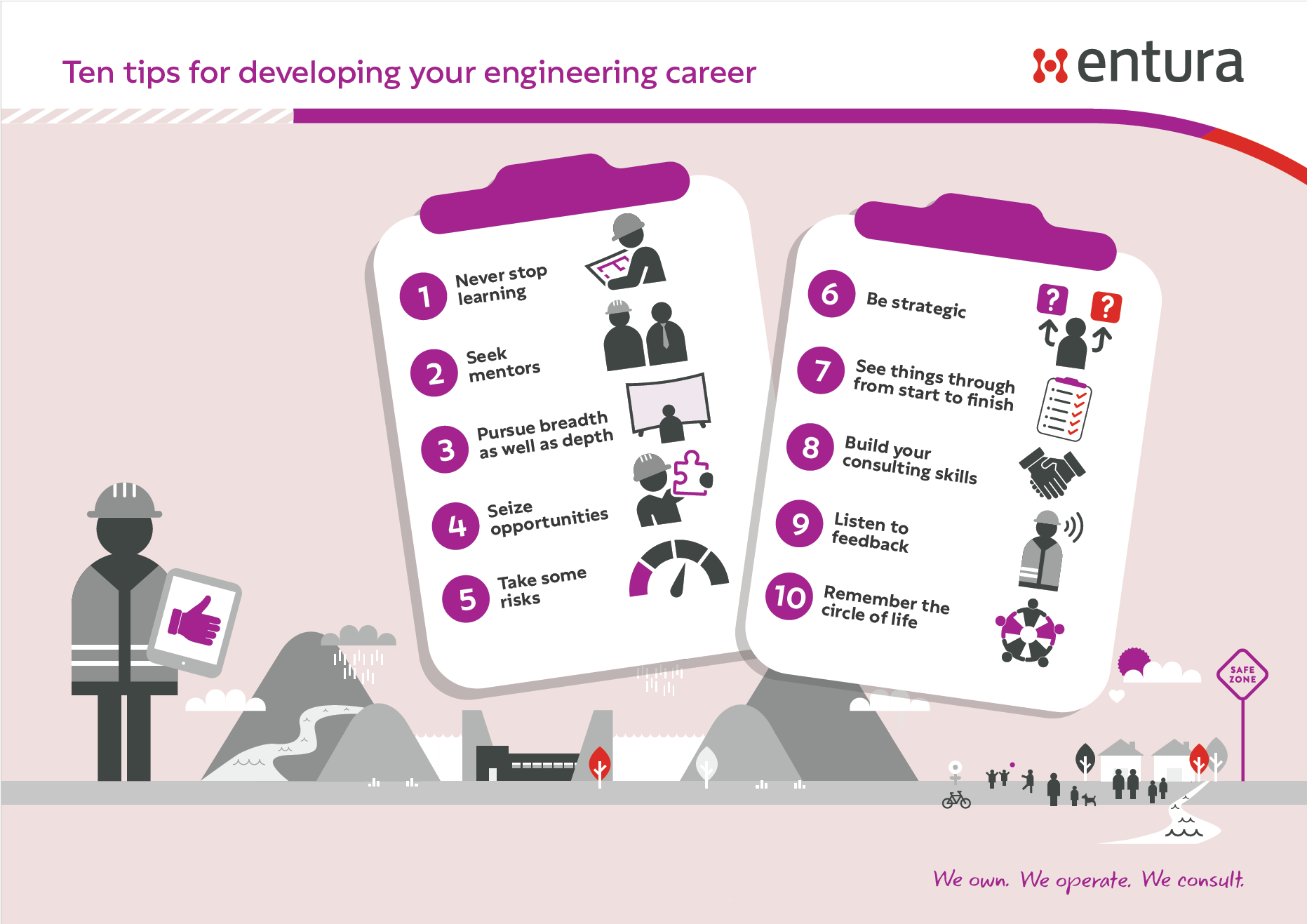
Tip #1 – Never stop learning
Graduating with a formal engineering qualification is only the first milestone in your learning. Explore whether there are postgraduate courses that can help you grow and open up opportunities that interest you. It isn’t easy to balance postgrad studies with work – let alone with the family responsibilities that many people experience in their early/mid adulthood. You’ll need to think carefully about how much time you can devote – and how to maintain a healthy work/study/life balance.
Also look at what your workplace can offer in terms of internal programs, such as broad-based leadership programs. An industry body will often offer short courses and will also provide networking opportunities where you can learn from other people – so join a professional association. Beyond formal courses, you can use your development plan to your advantage by identifying areas that interest you and seeking variety in the kinds of tasks and projects you are assigned.
Whatever career stage you’ve reached, stay interested, interact, and keep asking questions. It’s a great antidote to becoming a ‘know it all’ or getting stuck in a rut! At the end of each year, ask yourself, ‘What have I learnt that’s new?’ If you can’t think of anything, then maybe you’re playing it too safe and it’s time to change things up a bit.
Tip #2 – Seek mentors
Mentors – whether formal or informal – can give you technical insights and can also help guide your broader professional journey. Use mentors to extend your learning beyond your allocated tasks, such as how to be a good consultant, or just broaden your understanding. Think broadly about who you could seek out as mentors along your career journey. For example, some of the members of independent review panels have become de facto mentors to me. Value your mentors, and try to give something back or pay it forward to the next young engineer.
Tip #3 – Pursue breadth as well as depth
Breadth is as important as depth. Try to achieve more breadth before you specialise, because breadth will make you a better expert (where you have depth) and extend your value as a consultant. For me, experience in designing and constructing dams and hydropower as well as stints in hydrology and modelling gave me a more holistic understanding of dam projects. Try to get some experience in other related disciplines, so you are better placed to manage multi-disciplined projects; and get some construction experience so you can see how your designs translate on the ground.
The value of broad experience is evident in the 16 competencies set out by Engineers Australia for ‘Chartered Engineer’ status. Use them to work towards becoming chartered – a target that every engineer should strive for.
Tip #4 – Seize opportunities
Only you can act to take the opportunities that emerge in your career, to make the most of them, and to learn from them. If you think too long, the opportunity may disappear or someone else may seize it. This will sometimes require sacrifices – such as periods away from home, which can be hard – but sometimes a little adversity can really spur your professional and personal development. Opportunities could be a particular project, an opportunity to work with someone you want to learn from, or an interesting career episode in a different place or a different role.
Tip #5 – Take some risks
If someone you respect believes you can do a role on a project, maybe you should too. Stretching yourself will help you develop. Jumping – or being thrown– into the deep end can be a great way to learn, as long as you’re supported so you don’t sink. Talk to your mentors and managers about how they can support you to thrive rather than flail. Remember that mistakes and failures are not the end – they are excellent stimulus for learning, and you certainly won’t be the first to experience them.
Tip #6 – Be strategic
Your employer’s responsibility is to create an environment in which you are able to develop, but ultimately your career is your responsibility. What do you need to learn or achieve in order to get where you want to end up? How can you position yourself so that you’re ready when opportunities emerge? For me, this was the need to have a Masters degree to take on team leader roles on bank-funded international projects – which spurred me to return to study. You could use the competencies for Engineering Chartered status as a benchmark to identify gaps and then work to fill them.
Tip #7 – See things through from start to finish
Look for opportunities to be involved in a project from inception through to commissioning. You will learn a great deal from seeing how the investigations and decisions taken in the design play out in the actual conditions on site as well as the constructability and the performance of the structure. These experiences will shape your expertise, how you operate in the future as an engineer, and the advice you give your future clients. This is equally relevant for other programs of work, seeing the program from a conceptual stage to an operational stage.
Tip #8 – Build your consulting skills
If you want to work in consulting, you need to become more than a technical expert. An ideal consultant needs technical expertise, but also needs to be able to engage effectively with clients, to communicate well (both in writing and orally), to be creative and solve problems, and to manage and deliver projects. These skills are valuable for everyone, regardless of your role. Taking up different roles through your career can also help you see things from different perspectives and become a better consultant. Every experience helps to build the consultant you become.
Tip #9 – Listen to feedback
Even if it’s uncomfortable to receive, seek out feedback and use it constructively to learn more about yourself, your skills and how you interact with others. Everyone has facets in their knowledge, performance and personality that can be enhanced. The more you can see yourself through the eyes of your colleagues, the better you’ll be able to play to your strengths and work on your weaknesses. In the end, many engineering projects require a team to deliver, so if you know your strengths and weaknesses, you can create a balanced team that capitalises on the synergies.
Tip #10 – Remember the circle of life
What goes around comes around. In the early stages of your career, it’s natural to expect support and development. Eventually, as you progress, your expectation should shift to helping develop others. I believe that this cycle should be faster than most people would expect. You don’t need to wait decades. Once you have been doing something for a few years, you can help others, and by doing so you will reinforce your learnings and improve your ability to explain complex technical elements. Developing others will also develop you.
I hope that other Baby Boomers and Generation Xs are inspired by these tips to reflect on your own experiences, share your recipes for success, and look out for where you can help others grow. It’s in all of our interests for the engineering profession to thrive.
Head to our careers page for current opportunities at Entura.
About the author
Richard Herweynen is Entura’s Technical Director, Water. He has more than three decades of experience in dam and hydropower engineering, and has worked throughout the Indo-Pacific region on both dam and hydropower projects, covering all aspects including investigations, feasibility studies, detailed design, construction liaison, operation and maintenance and risk assessment for both new and existing projects. Richard has been part of a number of recent expert review panels for major water projects. He participated in the ANCOLD working group for concrete gravity dams and was the Chairman of the ICOLD technical committee on engineering activities in the planning process for water resources projects. Richard has won many engineering excellence and innovation awards (including Engineers Australia’s Professional Engineer of the Year 2012 – Tasmanian Division), and has published more than 30 technical papers on dam engineering.


 +61 429 705 127